Summary
UTIs and bladder stones in dogs may seem similar, but they are two very distinct conditions. While they cause similar symptoms, the treatment for each is quite different, and treating one when the other is the culprit can cause serious problems.
UTI in dogs and bladder stones can present almost identically to an owner, as they both cause similar symptoms (i.e. visible discomfort, frequent urination, bloody urine).
A lot of this comes down to clinical experience. The first things I’m thinking about are:
- Male versus female
- Is this a breed that’s predisposed to bladder stones?
- Does the dog have a history of bladder stones?
For example, if it’s a female Golden Retriever with first-time urinary symptoms, my suspicion for bladder stones is relatively low. If it’s a male Miniature Schnauzer with urinary signs, my suspicion goes way up.
Here at ModernVet in Johns Creek, GA, we have helped countless pet owners who came in with dogs experiencing urinary symptoms that assumed it was one condition, only to find it was the other.
What Is a UTI in Dogs?
UTI stands for “urinary tract infection.” Typically, a UTI occurs in the bladder and urethra but can extend to the kidneys in more serious cases.
Common symptoms of UTI in dogs include frequent urination (small amounts), straining to urinate, blood in the urine, strong or unusual urine odor, excessive licking of the genital area, accidents in the home, concentrated or cloudy urine, and lethargy (this can indicate that the infection spread to the kidneys).
Bacteria enter through the genital area, making female dogs more vulnerable due to their shorter urethras. Other dogs at a higher risk are senior dogs, dogs with diabetes mellitus or other underlying health conditions, and dogs with anatomical defects.
What Are Bladder Stones in Dogs?
Bladder stones, or uroliths, occur when mineral deposits form in the urinary bladder. While bladder stones themselves are not caused by infections, they can cause new or worsen existing infections.
There are two common types of bladder stones: Struvite, often associated with bacterial infection, and calcium oxalate, which are diet and breed-related. The distinction is important because the treatment differs between types. Struvite can sometimes be dissolved with a prescription diet, while calcium oxalate typically requires surgery.
Some symptoms of bladder stones are identical to those of UTIs, including frequent urination, straining to urinate, blood in the urine, and accidents in the home. The similarity in symptoms is why misdiagnosis is so common.
Symptoms more common in bladder stones than UTIs include visible discomfort/restlessness, crying/whimpering when urinating, a distended or tender abdomen (caused by large stones), or a complete inability to urinate (this indicates an obstruction of the bladder and is an emergency).
Keep in mind that a dog can simultaneously suffer from a UTI and bladder stones. Struvite stones often form as a result of bacterial infection. Treating only the UTI without removing the stones leads to recurring infections.
| UTI (Urinary Tract Infection) | Bladder Stones (Uroliths) | |
| What it is | Bacterial infection of the urinary tract — most commonly the bladder and urethra | Mineral deposits (crystals that form into stones) in the bladder |
| Cause | Bacteria — usually ascending from the genital area | Mineral imbalance in urine; diet, breed genetics, chronic infection, or metabolic disease |
| Most common in | Female dogs (shorter urethra), senior dogs, dogs with diabetes or hormonal conditions | Dalmatians, Miniature Schnauzers, Shih Tzus, Bichon Frises, Yorkshire Terriers, Pugs |
| Symptoms | Frequent urination, straining, blood in urine, strong odor, excessive licking | Identical to UTI — frequent urination, straining, blood in urine, visible discomfort |
| Diagnosed by | Urinalysis + urine culture (identifies specific bacteria and effective antibiotic) | X-ray or abdominal ultrasound (urinalysis alone will miss many stones) |
| Treated with | Antibiotic selected based on urine culture results; pain relief; increased water intake | Dietary dissolution (struvite stones only) or surgical removal; prescription diet for prevention |
| Can they coexist? | Yes — and this is common. Struvite stones often form as a result of bacterial infection. Treating only the UTI without removing the stones leads to recurring infections. | |
Why Do These Conditions Get Misdiagnosed?
Because there is so much overlap of symptoms of UTI and bladder stones, they can easily be misdiagnosed without specific diagnostic testing.
| UTI Symptoms | Bladder Stone Symptoms |
| Frequent urination (small amounts) | Frequent urination (small amounts) |
| Straining to urinate | Straining to urinate |
| Blood in the urine | Blood in the urine |
| Strong or unusual urine odor | Visible discomfort / restlessness |
| Excessive licking of genital area | Crying or whimpering when urinating |
| Accidents in the house | Accidents in the house |
| Concentrated or cloudy urine | Distended or tender abdomen (large stones) |
| Lethargy (if infection spreads to kidneys) | Complete inability to urinate (obstruction — emergency) |
For example, some bladder stones are not visible on a standard x-ray and may require an ultrasound. When diagnostics miss stones, antibiotics treat the bacterial infection while leaving the stones in place. As a result, infections continue to occur.
More than two UTIs in a year or symptoms returning within weeks of getting off antibiotics are signs that a vet needs to rule out bladder stones as the culprit before deciding on another course of treatment.
Most experienced clinicians can usually tell pretty quickly whether bladder stones belong high on the differential list versus a straightforward urinary tract infection.
How Do Vets Tell the Difference?
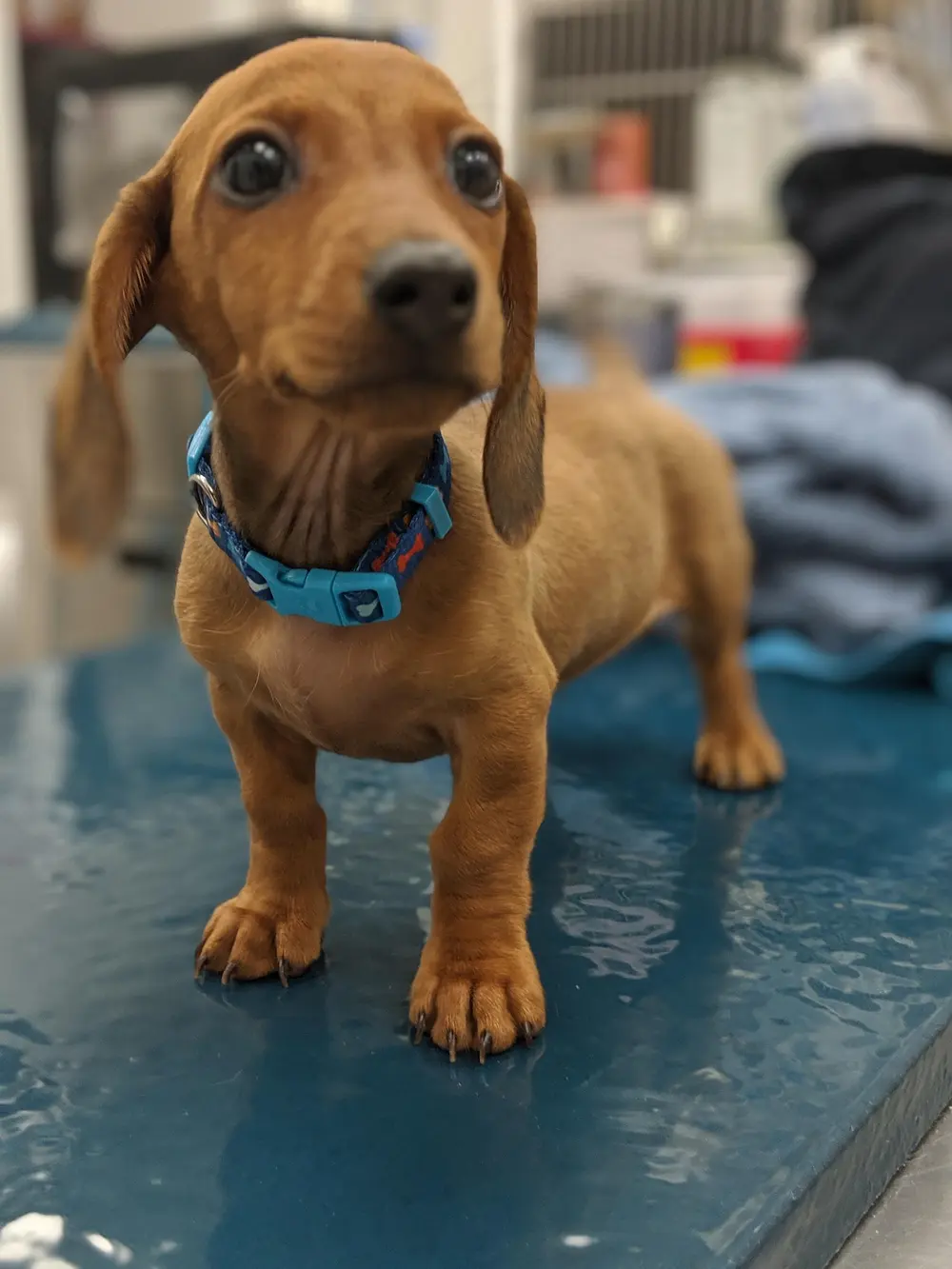
Confidently distinguishing between a UTI and bladder stones requires multiple tests, as no one method tells the whole story.
The first step is always getting a really thorough history.
Questions I’m asking include:
- Is the dog eating a homemade diet that’s high in calcium?
- Has the dog had bladder stones before?
- Is this a breed that’s predisposed?
Next comes the physical exam.
Sometimes you can actually palpate bladder stones through the abdomen. You also examine the external urinary tract for any additional clues.
From there, a urinalysis tells us:
- Are bacteria present?
- Are white blood cells present, suggesting inflammation or infection?
- Are crystals present?
The first advanced diagnostic I typically recommend is radiographs. Most common bladder stones are radiopaque, meaning they show up on x-rays.
Some stones are radiolucent and won’t appear on radiographs, which is where ultrasound becomes extremely helpful.
How Are UTIs in Dogs Treated?
Bacterial UTIs are treated with specialized antibiotic treatments, the specifics of which are based on urine culture results. Stopping treatment early is a leading cause of recurring infections and bacterial resistance, so it is important to complete the full course of antibiotics.
Be sure to support your dog during treatment by increasing their water intake to help flush bacteria, providing pain medication to relieve discomfort, and, for dogs with recurring urinary health issues, considering prescription diets.
How Are Bladder Stones in Dogs Treated?
The specific treatment depends on the type of stones – Some struvite stones can be dissolved with prescription diets, while calcium oxalate stones require surgical removal. After treatment, a vet will utilize a urine culture after treatment to confirm whether the infection has cleared and imaging follow-ups to check dietary dissolution progress.
If you’re considering Pet Surgery in Johns Creek, GA, reach out to us at ModernVet to discuss the best solution for your canine companion.
Can a Dog Have Both Simultaneously?
Dogs can have UTIs and bladder stones at the same time, and it’s actually quite common. Struvite stones often form as the result of a bacterial infection.
If a UTI is treated without removing stones, then the cycle of infection will continue. That’s why any recurring UTI workups should include imaging to rule out bladder stones.
When I see a dog that’s had more than two or three UTIs, I want to know what’s underneath it. In my experience, there’s usually something else going on — and antibiotics alone aren’t going to solve it.
Preventing Bladder Stones and UTIs in Dogs
There are several steps you can take to help prevent UTIs and bladder stones in your dog.
Long-term prevention focuses heavily on:
- Increasing water intake
- Encouraging frequent urination
- Prescription urinary diets when appropriate
If you’re looking to nip potential issues in the bud before they become bigger headaches, ModernVet offers exceptional Preventive Care in Johns Creek, GA.
When to See a Vet
Always take your dog to the vet if they’re exhibiting any urinary symptoms, as they do not resolve on their own. An inability to urinate or straining without producing urine indicates a potential obstruction and should be treated as an emergency. Don’t wait – Seek Urgent Care in Johns Creek, GA.
Frequently Asked Questions
| Question | Answer |
| Walk me through what the diagnostic workup looks like — what tests do you run and in what order, and what does each one tell you? | The first step is always getting a really thorough history. Questions I’m asking include, “Is the dog eating a homemade diet that’s high in calcium?”, “Has the dog had bladder stones before?”, and “Is this a breed that’s predisposed?” Next comes the physical exam. Sometimes you can actually palpate bladder stones through the abdomen. You also examine the external urinary tract for any additional clues. From there, a urinalysis tells us, “Are bacteria present?”, “Are white blood cells present, suggesting inflammation or infection?”, “Are crystals present?” |
| Are there breed or diet patterns you see repeatedly in your bladder stone cases — and what do you tell those owners about long-term prevention? | The breeds I commonly associate with bladder stones include, Miniature Schnauzers, Miniature Poodles, Cocker Spaniels, Shih Tzus, Lhasa Apsos, Pekingese, Dachshunds, and Bichon Frises While some reports mention Golden Retrievers, Labrador Retrievers, Bernese Mountain Dogs, St. Bernards, and Rottweilers, I don’t personally think of those as the classic bladder stone breeds. Diet-wise, I think about homemade diets that may contain excessive calcium. |
| What’s the biggest mistake owners make when they see urinary symptoms — and what do you wish they understood before they come in? | Most owners assume urinary symptoms automatically equal a UTI. While UTIs are certainly one of the most common causes, there are many other possibilities including bladder stones, kidney disease, bladder polyps, Cushing’s disease, behavioral issues, or other metabolic diseases. This is where diagnostics become so important. I completely understand why owners try things at home first. Everyone is busy. Nobody wants to take time off work or schedule another veterinary visit. Sometimes they’ll try leftover antibiotics, over-the-counter products, or advice they found online. I understand why people do it, but bladder stones can become extremely painful. More importantly, they can lodge in the urethra and create a life-threatening urinary obstruction. |
Know the Difference Between UTIs and Bladder Stones
While they share similar symptoms, UTIs and bladder stones are very different conditions. Diagnostic testing is the only way to know for sure what your dog is dealing with.
If you suspect your dog is suffering from these conditions, visit ModernVet for a Veterinary Appointment in Johns Creek, GA to get them properly diagnosed. We also offer Wellness Plans in Johns Creek, GA to provide ongoing monitoring to address recurring bladder stones and UTIs in dogs.