Summary
Cushing’s disease in dogs is a hormonal condition in which a dog’s adrenal glands overproduce cortisol. It’s also one of the most misdiagnosed conditions because its symptoms are often associated with normal aging. Learning the telltale signs can help keep your dog from going undiagnosed.
As a veterinarian in Johns Creek, GA, owners will often tell me, “He’s just getting fat,” or “He’s panting because he’s older and has arthritis.” And while those things may be true, dogs can absolutely have arthritis and Cushing’s disease at the same time.
One of the tricky things about Cushing’s disease is that it doesn’t always look dramatic in the beginning. Sometimes owners assume their dog is simply getting older, while other times the changes happen so gradually that they don’t realize anything is wrong until they look back.
What is Cushing’s Disease in Dogs?
Cushing’s disease, or hyperadrenocorticism, is a condition that sees a dog’s adrenal glands produce excessive cortisol. Cortisol is the body’s primary stress hormone and essential for normal bodily functions, like regulating metabolism, immune system response, and stress response. But excessive production over a sustained period can lead to problems.
What Are the Types of Cushing’s Disease in Dogs?
There are three distinct forms of Cushing’s disease in dogs: pituitary-dependent, adrenal-dependent, and iatrogenic.
| Form | Pituitary-Dependent | Adrenal-Dependent | Iatrogenic |
| Cause | Tumor on pituitary gland | Tumor on adrenal gland | Long-term steroid medications |
| Frequency | Common (approx. 80-85% of cases) | Less common (approx. 15-20% of cases) | Uncommon |
| Treatment | Trilostane, mitotane, radiation therapy | Trilostane, mitotane, surgical removal | Careful tapering of steroid medications |
Pituitary-dependent Cushing’s is the most common form and is caused by a tumor on the pituitary gland that causes it to overproduce adrenocorticotropic hormone (ACTH), resulting in the adrenal glands producing excess cortisol.
Adrenal-dependent Cushing’s occurs when a tumor is located directly on one of the adrenal glands, causing autonomous cortisol overproduction. This form may be a candidate for surgical removal.
Iatrogenic Cushing’s is a result of long-term use of steroid medications causing the body to produce too much cortisol. Similar to pituitary- and adrenal-dependent, but caused by treatment rather than a tumor.
Many owners don’t realize that long-term steroid medications, including pills, injections, and sometimes even topical medications, can contribute to iatrogenic Cushing’s disease. I’ve seen it a handful of times over the years, but it’s certainly much less common than naturally occurring Cushing’s disease.
What Are the Symptoms of Cushing’s Disease in Dogs?
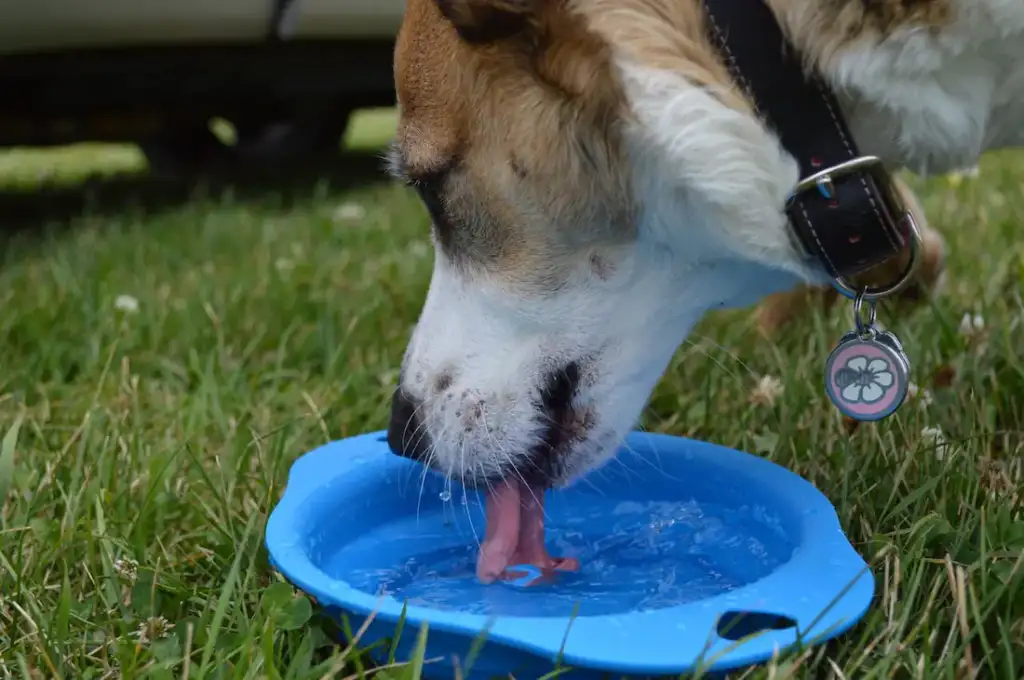
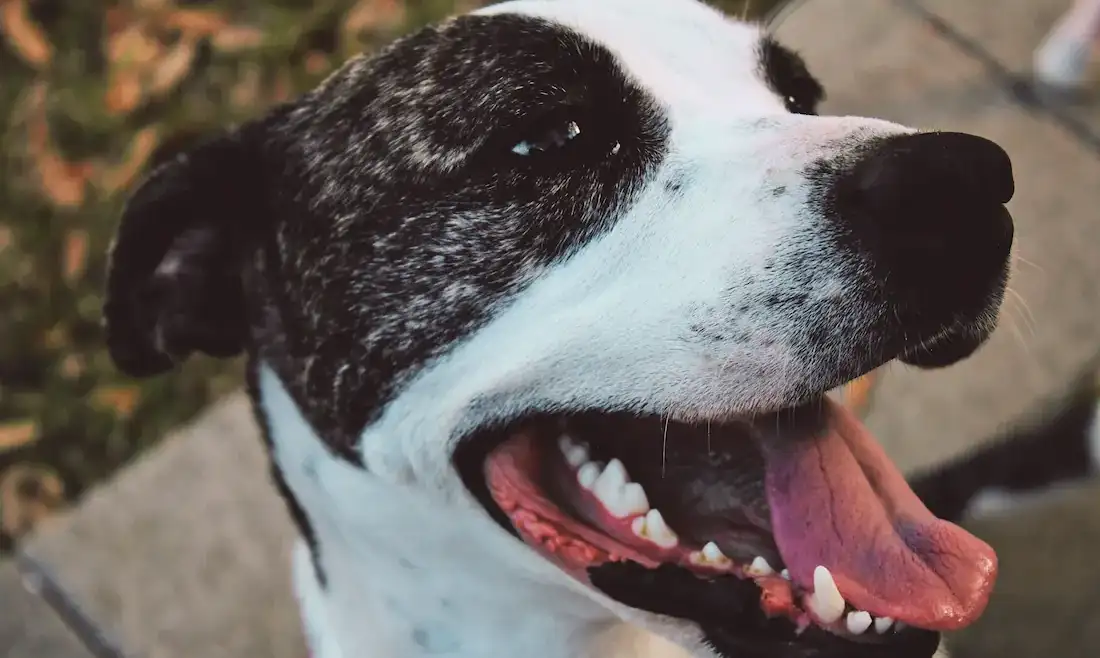
The classic signs I talk to owners about are what I call the “three Ps”: increased thirst (polydipsia), increased urination (polyuria), and panting. Many dogs also develop the classic pot-bellied appearance.
Less obvious symptoms include recurring skin infections, wounds healing slowly, high blood pressure, and an increased susceptibility to urinary tract infections.
Sometimes the change is very sudden. Owners realize they’re filling the water bowl several times a day when they used to refill it every couple of days. Other times it slowly sneaks up on them over months.
That’s one of the reasons annual wellness exams and routine bloodwork are so valuable. The earlier we recognize the pattern, the easier it is to manage.
Canine Cushing’s Disease Symptoms:
- Excessive thirst/urination
- Panting
- Pot-bellied appearance
- Increased appetite
- Hair loss/thinning coat
- Muscle weakness
- Lethargy
- Recurrent skin infections
- Slow wound healing
- Urinary tract infections
If you notice any of these symptoms, don’t just assume it’s age. Have a conversation with your vet. Our preventive care in Johns Creek, GA can help catch early signs and address them before they become bigger problems.
How Do You Diagnose Cushing’s Disease?
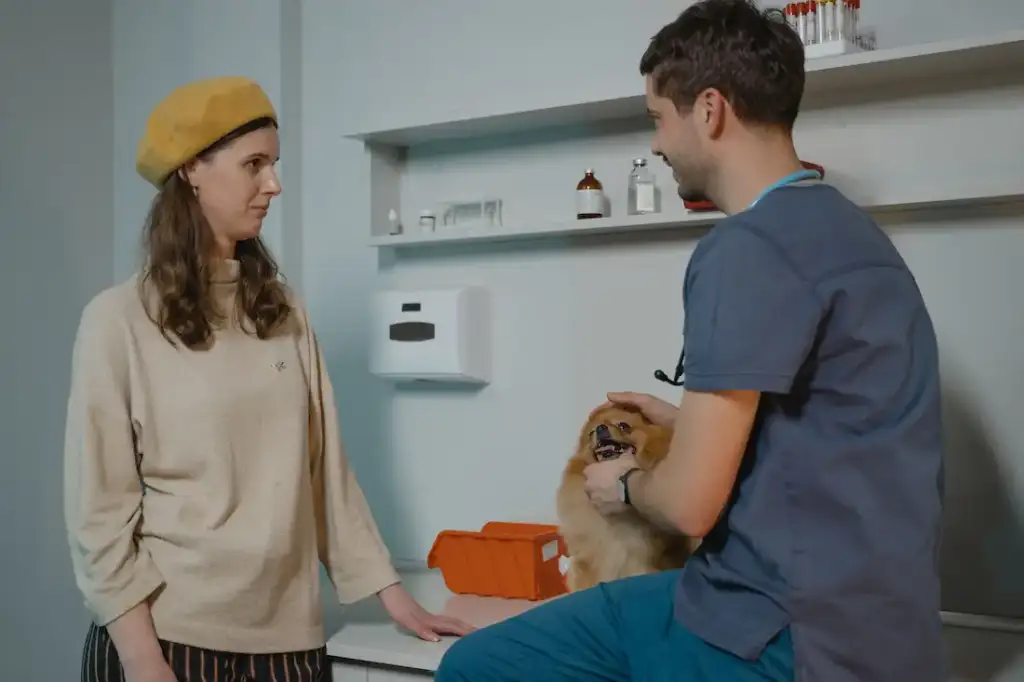
Cushing’s disease diagnosis involves observing clinical signs, blood tests, urine tests, and adrenal function tests.
I’m fortunate to work with excellent technicians who are great at picking up on little details owners mention that may point us toward Cushing’s disease before I even walk into the room. From there, I perform a thorough physical examination.
Laboratory testing is where things get interesting. One mistake people make is thinking bloodwork simply tells us “yes” or “no” for Cushing’s disease. That’s not really how it works. Instead, we’re looking for patterns that fit the disease. Elevated alkaline phosphatase (ALP), high cholesterol, dilute urine, protein in the urine, and several other findings can all support the diagnosis.
Before jumping straight to specialized Cushing’s testing, we also want to rule out other diseases that can look very similar, such as diabetes or hypothyroidism. Once we have enough pieces pointing toward Cushing’s, we’ll move on to more specific testing like a low-dose dexamethasone suppression test or an ACTH stimulation test, depending on the individual patient.
Cushing’s can be one of the more frustrating diseases to diagnose because there isn’t always a simple answer. It often takes multiple tests, time, and unfortunately can become expensive, but getting the diagnosis right is important.
Treatment Options for Cushing’s Disease in Dogs
Cushing’s disease treatment depends on the form, as pituitary-dependent Cushing’s disease can typically be managed with oral medication, while adrenal-dependent cases may necessitate surgical removal of the tumor. Here’s a look at some of the most common treatment options.
- Trilostane (Vetoryl): Most common oral medication. It inhibits an enzyme involved in the production of cortisol, thus reducing how much the adrenal glands produce.
- Mitotane (Lysodren): Older alternative used less today, but still appropriate in certain cases. Destroys cortisol-producing cells in the adrenal glands.
- Surgical Removal: Suitable for adrenal-dependent Cushing’s disease. Presents higher risk but can be curative. If you’re considering pet surgery in Johns Creek, GA, our team is up to the task.
- Radiation Therapy: Not widely available and not usually the first option but can be utilized for pituitary tumors.
For iatrogenic cases, we can often improve the situation by carefully tapering the medication under veterinary supervision. The key is never stopping steroids abruptly, because that can create an entirely different set of problems.
I always tell owners that my goal is to help their dog have the best quality of life possible for as long as possible. If treating the Cushing’s helps us achieve that, then it’s absolutely worth pursuing.
If multiple serious diseases are piling up and treatment is no longer giving the dog a good quality of life, then we have an honest conversation about what is best for the patient. Those conversations are never easy, but they’re one of the most important parts of being a veterinarian.
How is Cushing’s Disease in Dogs Managed?
In many cases, Cushing’s disease in dogs is not cured, but managed, rather than eliminating it entirely. Fortunately, once we’ve found the right medication dose, managing Cushing’s disease is often pretty straightforward.
Dogs taking trilostane or mitotane need routine ACTH stimulation tests to make sure their cortisol levels are in normal range. Finding the perfect dose can take some time, and many dogs need at least one or two medication adjustments to get their cortisol levels under control.
While managing Cushing’s disease in dogs, watch for signs of over-suppression, like sudden lethargy, vomiting, diarrhea, or collapse. This is an emergency that requires urgent care in Johns Creek, GA.
Getting to that stable point can take some adjustments, but once we get there, it’s actually one of the more rewarding diseases to manage because these dogs often feel dramatically better.
What If Cushing’s is Left Untreated?
Cushing’s disease does not go away on its own, and if left untreated, it can lead to serious, life-shortening complications. Most dogs become more prone to recurrent skin infections, urinary tract infections, muscle weakness, high blood pressure, diabetes in some cases, poor wound healing, and even blood clot formation.
Many of these dogs are constantly thirsty, constantly panting, uncomfortable, and simply don’t feel well. But Cushing’s is manageable, and complications are preventable when identified and treated properly.
The goal of treatment isn’t just to improve bloodwork. It’s to help these dogs feel like themselves again.
Frequently Asked Questions
| Question | Answer |
| How do you explain the difference between pituitary-dependent and adrenal-dependent Cushing’s to an owner who has just received the diagnosis — and does it change what you tell them about treatment? | Honestly, a lot of that conversation depends on the owner’s goals. Some families want to pursue every available diagnostic test to determine exactly which form of Cushing’s their dog has. Others are more focused on managing symptoms and giving their dog the best quality of life possible. |
| What does managing a dog on trilostane or mitotane look like day-to-day — what do owners find hardest, and what do you monitor for? | It’s an ongoing process, but pretty straightforward. Owners just need to be consistent in observing their dogs, watching for over-suppression symptoms, and taking them for routine veterinary testing. We monitor their cortisol levels and adjust their medication doses as necessary. |
| Is iatrogenic Cushing’s something owners commonly don’t realize they’ve caused — how often do you see it and what does reversing it involve? | We don’t see it very often, but it’s always one of the first things we ask about. Many owners are surprised to learn that long-term steroid medications can lead to iatrogenic Cushing’s. The good news is that if steroids are the cause, it’s fairly easy to reverse by gradually tapering the medication. |
| What does successful medical treatment look like — how do owners know the medication is working, and what does ‘regaining normal health’ mean in practice for a Cushing’s dog? | One of my favorite sayings is, “Treat the dog, not the numbers.” Yes, follow-up cortisol testing and laboratory monitoring are important. But at the end of the day, successful treatment means your dog feels better. They’re drinking less, urinating less, panting less, their skin is healthier, they’re more comfortable, and they’re enjoying life again. |
Understanding Cushing’s Disease in Dogs
Cushing’s is one of the most common endocrine conditions in dogs, often underdiagnosed because its symptoms are easy to mistake for normal aging, and often very treatable.
If you notice your dog exhibiting symptoms, don’t ignore them. While the symptoms seem innocuous, they are classic signs of Cushing’s disease, and if left untreated, they can lead to serious, life-shortening conditions.
If you suspect your dog may be dealing with Cushing’s, our team at ModernVet can help. Consider visiting us for a veterinary appointment in Johns Creek, GA. We’re experienced in treating Cushing’s disease in dogs and are happy to help develop wellness plans in Johns Creek, GA if you want ongoing monitoring.
Cushing’s disease is very manageable, but not always easy to diagnose. The good news is that once we have the diagnosis and find the right treatment plan, many dogs go on to live happy, comfortable lives for years. That’s why I encourage owners not to ignore subtle changes like increased thirst, increased urination, excessive panting, or a developing pot belly. Catching the disease earlier often leads to better long-term outcomes.