

Summary
Pyometra is a serious uterine infection affecting unspayed female dogs, often after a heat cycle. Most pet owners have never heard of it, but it can be fatal within days if not treated properly. This guide will show you the signs that could indicate pyometra in dogs and what to do if your dog might have it.
Here at ModernVet, we take pyometra very seriously. This is a condition that requires prompt treatment and often emergency surgery. Often, the signs are much more severe than Signs Your Dog Has a Torn ACL. Symptoms are ignored or misunderstood until it is too late, so it is important to be mindful and vigilant of the signs to protect your dog and get them the help they need.
What is Pyometra?
Pyometra is a bacterial infection in the uterus, often found in unspayed female dogs that are middle-aged to older. Typically, the infection develops within weeks of a heat cycle.
After a heat cycle, progesterone causes the uterine lining to thicken. Over time, cystic endometrial hyperplasia can develop, which serves a fertile breeding ground for bacterial infections. It is worth noting that we have seen cases of stump pyometra in spayed dogs if any uterine tissue was left behind.
| Open Pyometra | Closed Pyometra |
| Cervix open | Cervix closed |
| Visible vaginal discharge | No visible vaginal discharge |
| Easier to detect | Harder to detect |
| High urgency | Emergency situation |
Recognizing the Early Signs of Pyometra

Loss of appetite, increased thirst, and lack of energy are all common early signs of pyometra in dogs. In cases of open pyometra, vaginal discharge may occur. Closed pyometra will not cause visible vaginal discharge, which can make it harder to spot. In these cases, a high fever, abdominal pain, vomiting, and diarrhea are the signs to watch for.
We have experienced pet owners coming in thinking their dog was pregnant, dealing with UTIs, or experiencing some of the 10 Warning Signs of Cancer in Dogs, not realizing that pyometra was the culprit. If your dog has recently completed a heat cycle and you observe them drinking more than usual or acting lethargic, treat it as an emergency and get help immediately.
| Open Pyometra Symptoms | Closed Pyometra Symptoms |
| Vaginal Discharge | Abdominal Pain |
| Loss of Appetite | Fever |
| Increased Thirst | Vomiting |
| Lethargy | Diarrhea |
Which Dogs are Most at Risk?
Unspayed female dogs aged six or older that have gone through several heat cycles without pregnancy are the most at risk of developing pyometra. In simple terms, every heat cycle primes the lining of the uterus. Over time, this creates an environment where bacteria thrive. That is why a routine spay eliminates the risk of pyometra almost entirely.
Pyometra can be found in almost every dog breed, but we have seen it most in rottweilers, golden retrievers, Bernese Mountain dogs, rough-coated collies, and Cavalier King Charles spaniels.
Diagnosing Pyometra in Dogs
A standard diagnostic procedure entails a physical exam, blood work, x-rays, and an ultrasound. This can give a clearer picture of the situation by identifying any elevated levels of white blood cells or signs of infection.
Urgency is of the utmost importance when it comes to pyometra, making it crucial to watch for warning signs. This is especially true for cases of closed pyometra, as the lack of vaginal discharge means many owners do not realize it is a serious issue until the dog is critically ill.
Early diagnosis and treatment of pyometra has a high survival rate and can have your dog feeling like themselves again within a week or two. If pyometra goes untreated until the uterus ruptures, the situation becomes significantly more dire, as there is a much higher risk of sepsis.
How is Pyometra Treated?
Typically, the most effective treatment for canine pyometra is emergency ovariohysterectomy, which involves surgically removing the uterus and ovaries. Antibiotics may be used briefly to stabilize the patient prior to entering surgery, but they generally are not used as a standalone treatment. This is because bacteria release toxins at a faster rate than antibiotics can treat the infection. As a result, the infected womb must be removed to eliminate the risk.
We have found that many owners who come in with dogs to be treated for pyometra do so expecting something like a spay procedure or a quick recovery once the infection is removed, but that is just not the case. This is major abdominal surgery, and dogs often need a full week or two to fully recover.
No one wants to see their pup in pain. Explore Easing Your Dog’s Discomfort: A Guide to Safe Pain Relief Options for ways to manage their pain post-surgery.
What Does Recovery Post-Pyometra Surgery Look Like?
As long as the procedure is performed before sepsis sets in, most dogs recover fully and fairly quickly from emergency ovariohysterectomy. Dogs are typically cleared to return home within 1-3 days, though it may take a week or two for them to start fully acting like themselves.
As a pet owner, it is important to keep a close eye on your dog post-surgery and watch for any red flags. Specifically, fever, lethargic behavior, discharge from the wound, or your dog not eating 48 hours post-surgery could be signs they may need additional medical attention. For more information about post-op symptoms and how to handle them, review Dog Vomiting Blood: What It Means and What to Do Next and Immediate Action: What to Do When Your Dog Has a Seizure.
What if Pyometra is Left Untreated?
Without timely, proper treatment, pyometra is fatal – The infection spreads from the womb to the bloodstream, causing sepsis, the uterus itself can rupture, and the bacteria release toxins that damage kidneys and other organs, causing end-stage organ failure. A dog’s body simply cannot recover from that without professional help.
This serves as a reminder that urgency is key. If the patient is experiencing open pyometra and is relatively stable, they still need treatment, but it is not as much of an emergency. But if they have closed pyometra or are very sick, we need to get them stabilized and into surgery ASAP. The last thing we want is for that to rupture. If that happens, we are in trouble.
How to Prevent Pyometra in Dogs
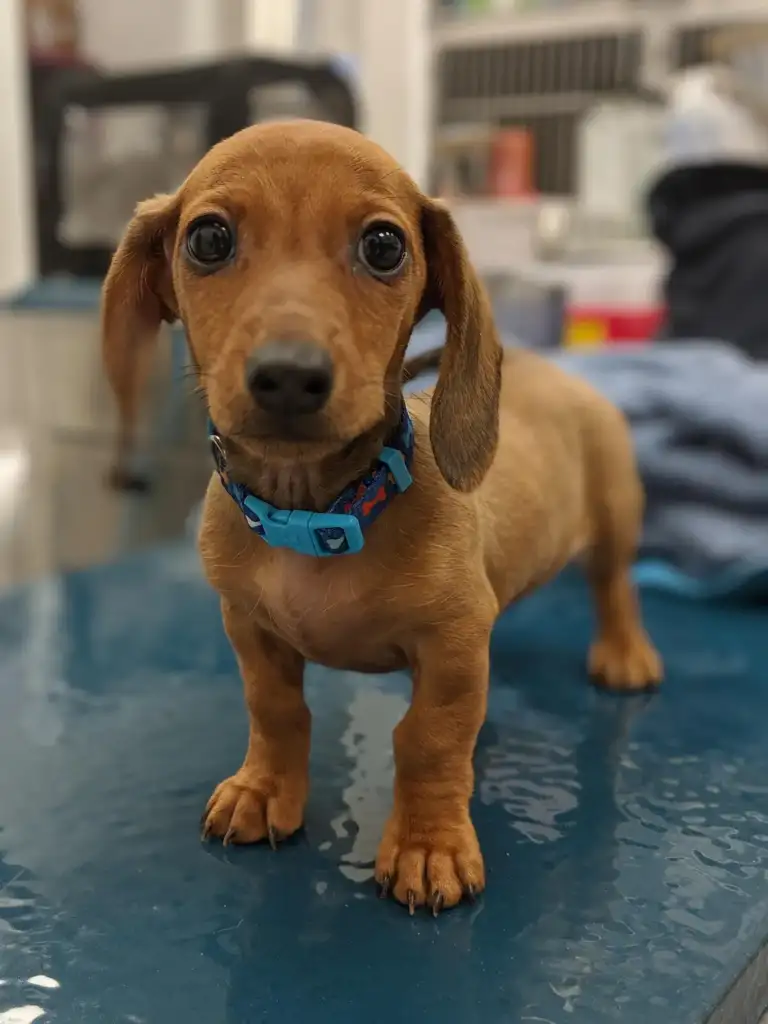
The best way to prevent your dog from contracting pyometra is with a routine spay before or after their first heat cycle. This almost entirely eliminates the risk of pyometra.
It is common for owners of older unspayed dogs to wonder if it is too late for their pet to be spayed. While there is some surgical risk spaying an older dog compared to a younger dog, it is still significantly less risk than that presented by pyometra. There are many minimally invasive procedures that prevent pyometra, such as an ovarian sparing spay, which we are proud to offer here at ModernVet.
If you are welcoming a new puppy to your family, it can be a bit overwhelming trying to make sure you have everything in order, including spaying and proactively preventing other medical situations. Our New Puppy Checklist 2026: Essential Steps For Your New Dog can help make it a little more manageable.
Frequently Asked Questions About Pyometra
| Question | Answer |
| Can a spayed dog get pyometra? | It is possible, but extremely rare. Known as stump pyometra, it can occur if uterine tissue was left during the original spay procedure. It is highly unlikely for a spayed dog to develop pyometra, but still worth keeping in mind. |
| How quickly does pyometra progress? | Pyometra can progress from early symptoms to a serious, life-threatening situation in a matter of days, especially with closed pyometra. That is why it is imperative to recognize the early warning signs and act quickly to get your dog proper treatment. |
| Is pyometra painful for dogs? | It is common for pyometra to cause abdominal pain and discomfort, especially in dogs with closed pyometra. You may notice that your dog appears visually uncomfortable and is much less inclined to move around as to not aggravate the pain. |
| Can pyometra come back after treatment? | Pyometra cannot come back after a full ovariohysterectomy, as the uterus is removed entirely. Pyometra has a high recurrence rate if it is simply managed with medication, which is why surgery is the recommended avenue to deliver a permanent solution. |
| How much does pyometra surgery cost? | Treatment costs for your dog’s pyometra vary based on location, the severity of the infection, and whether or not emergency care is needed. Your vet office can give you a more specific cost estimate based on your dog’s specific situation. |
What to Know about Pyometra in Dogs
Pyometra is a painful, potentially life-threatening infection, primarily found in unspayed female dogs after a heat cycle. It is highly preventable by having your dog spayed. It is also highly curable when caught early and treated quickly.
Watch for the telltale signs of pyometra in dogs, including vaginal discharge, increased thirst, lethargic behavior, and abdominal pain. If you notice any of these symptoms, act quickly and get your pet the help they need.
If you are concerned your dog is suffering pyometra, contact ModernVet and learn more about All Services we provide. We have extensive experience with pyometra patients and can confidently say proactive owners and early detection can make the difference between a straightforward procedure and a crisis.