Talking about the most aggressive dog breeds typically sparks a lot of emotion, especially for devoted pet owners who know their dogs are more than a label. It’s easy for people to point to certain dog breeds and assume they are naturally aggressive, dangerous, or unpredictable, but behavior is always a mix of genetics, early socialization, training, health, and environment. A dog’s “drive” often gets mistaken for aggression when in reality it’s a sign of strong instincts, high energy, and a mind that needs structure, guidance, and a job to do.
High-drive dogs can be some of the most rewarding companions when they’re properly supported. They’re smart, loyal, eager, and full of potential. They can also become overwhelmed, anxious, or reactive when their needs aren’t met. If you ever notice a sudden or extreme shift in your dog’s behavior, it’s important to bring them in for a full evaluation with your veterinarian. Pain, hormonal changes, neurological problems, and chronic stress can all lead a dog to act aggressively. Modern Vet helps pet owners throughout the North Atlanta area—from those looking for a Johns Creek vet to families searching for a Vet in Alpharetta—find answers when behavior shifts unexpectedly.
What People Get Wrong About Aggression in Dog Breeds
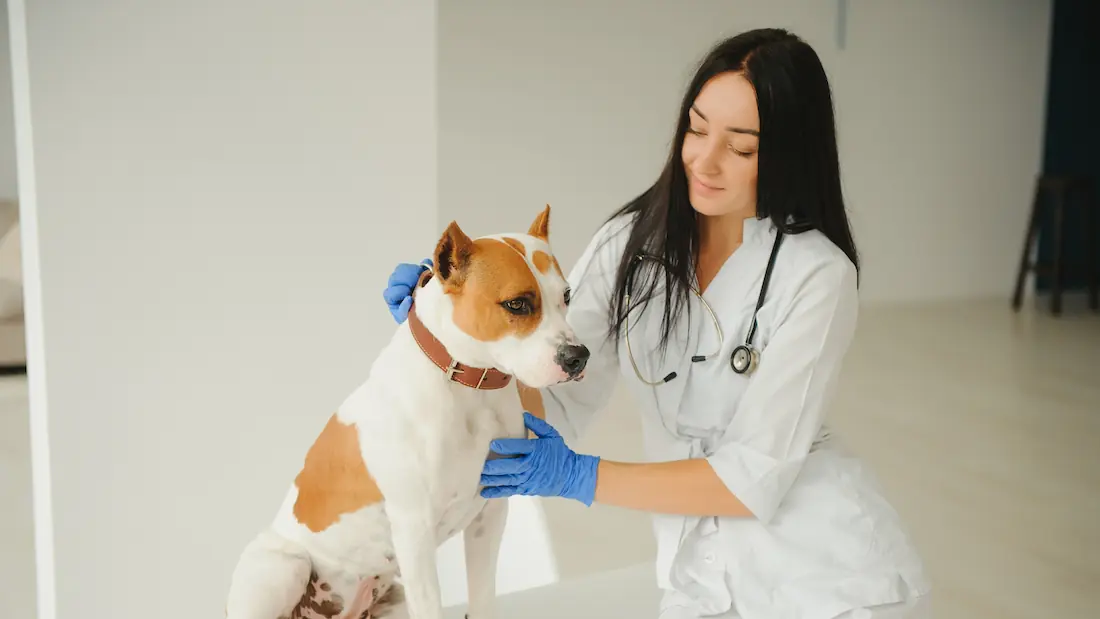
Many blogs that list the most aggressive dog breeds focus on bite force, body size, or outdated reputations. These lists rarely capture the full story. A dog with strong protective instincts doesn’t automatically fall into the category of “aggressive breed.” A herding dog that nips at heels didn’t wake up intending to cause harm. A terrier chasing smaller animals is reacting to instincts they were originally bred for. And even the American Pit Bull Terrier, a breed often unfairly blamed for dog attacks, is known by trainers and veterinarians as a dog with a stable, affectionate temperament when properly socialized.
Aggressive behavior usually has a root cause. Sometimes it’s fear. Sometimes it’s pain. Sometimes it’s a lack of early socialization around other dogs and people. And sometimes it’s simply a high-drive dog living without enough exercise, mental stimulation, or boundaries. Modern Vet evaluates each dog individually because labeling certain breeds as “naturally aggressive” doesn’t help owners understand what their dogs need to thrive.
Dog Breeds With High Drive and Strong Working Instincts

The Guardians: Rottweilers and Doberman Pinschers
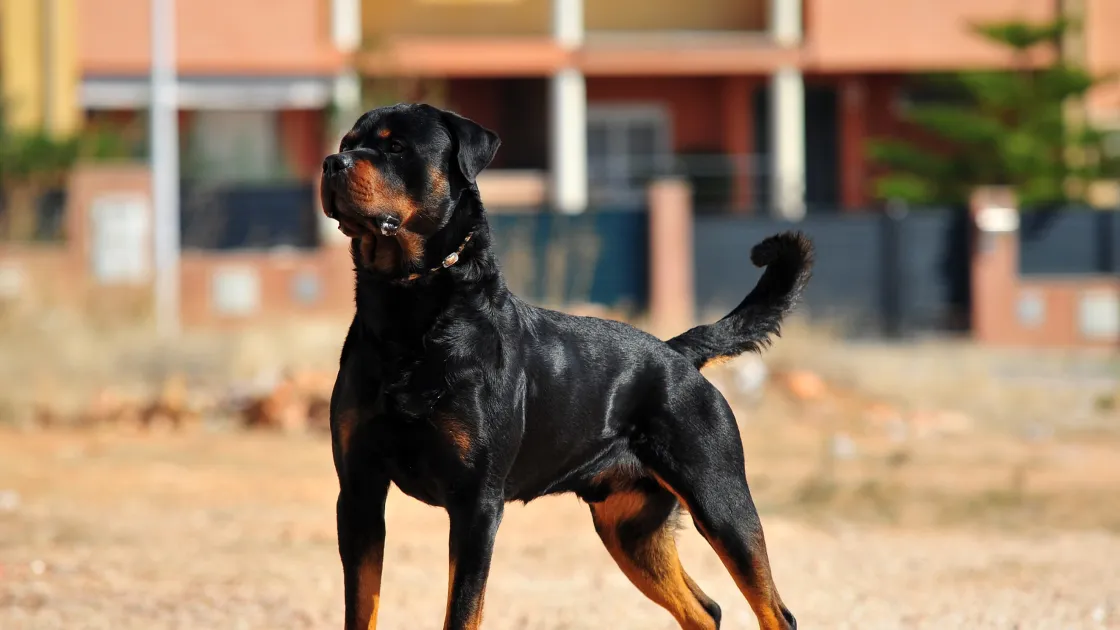
Rottweilers and Dobermans often make lists of the most dangerous dog breeds, but that has far more to do with their physical power than their behavior. These dogs were bred to guard property, protect livestock, and work closely with humans. Their devotion runs deep, and they tend to form strong bonds with their family members.
When they lack exposure to unfamiliar dogs, people, or new environments at a young age, they may act aggressively out of fear or confusion. Early socialization sets the tone for these dogs. Proper training builds confidence, reduces reactivity, and helps them understand what’s expected of them. With structure and clear guidance, they are amazing companions and highly reliable guard dogs.
The Terriers: Small Dogs, Big Opinions
Terriers like Jack Russell Terriers and even small dog breeds such as Chihuahuas often surprise people by showing more reactivity than some larger dogs. Their size can make people overlook their energy, intelligence, and strong instincts. Terriers were bred for hunting smaller animals and sometimes have very little tolerance for chaos, grabbing hands, or unpredictable movement from small children.
They’re fun dogs with tons of personality, but they need consistent training and careful supervision. A terrier’s bark, growl, or snap doesn’t make them a dangerous dog breed. It simply means they need clearer boundaries and a calmer environment to feel safe. Small dogs may not cause severe injuries as often as larger dogs, but they still deserve training and socialization so they can be confident and stable companions.
Working and Herding Dogs: German Shepherds and Belgian Malinois
German Shepherds, Belgian Malinois, and other herding dog breeds are known for their sharp intelligence and intense drive. These dogs thrive when they have structure, direction, and meaningful work. Without enough exercise or mental stimulation, their high herding instincts can shift into nipping, chasing, or anxiety-driven behaviors.
This category includes some of the most common dogs involved in dog bite injuries, not because they are dangerous dog breeds by nature, but because their owners may not realize how demanding these dogs can be. They need early socialization, ongoing training, and activities that challenge both their body and brain. If you’re bringing a dog like this into your home, partnering with an experienced trainer is one of the best things you can do.
Misunderstood Dogs: Pit Bulls, Cane Corsos, and Other Strong Breeds

Why Pit Bulls End Up on “Most Aggressive Dog Breeds” Lists
Pit bulls often make headlines about dog attacks or even sometimes fatal attacks. Much of this reputation comes from inconsistent reporting, poor breeding practices, and owners who aren’t prepared for a powerful, high-energy dog. Many dogs labeled “pit bull” aren’t even the same breed.
When an American pit bull is raised in a stable home with proper socialization, they’re known to be affectionate, people-focused dogs with a strong desire to please. They can be good pets for families who commit to training and understand the breed’s needs. They’re not naturally aggressive or looking to act aggressively toward humans or other pets, but they do require an experienced dog owner who understands their strength.
Cane Corso and Other Large Working Dogs
Dogs like the Cane Corso and similar working breeds have muscular builds, high protective instincts, and impressive bite strength. These traits can be intimidating to people who don’t know the breed’s history. They were bred for guarding, hunting, and protecting livestock. They’re not dogs that thrive in low-exercise homes or with owners who can’t commit to consistent structure.
Several countries have restrictions on these dogs, not because they’re destined to be dangerous, but because they require experienced handling. With proper training, early exposure to many environments, and ongoing socialization, they can be steady, loyal, and gentle companions.
When Aggression Appears Suddenly: The Role of Your Veterinarian
A dog that suddenly snaps, growls, or acts out of character is a dog that may need medical attention. Pain is one of the most common causes of unexpected aggressive tendencies, especially in older dogs. Arthritis, dental pain, back injuries, and hormonal imbalances can all lead even non aggressive dogs to react defensively.
Modern Vet helps identify the underlying causes of behavior changes through thorough physical exams and diagnostics. Bloodwork can uncover thyroid issues or inflammation. Imaging can rule out neurological conditions. If your dog is showing signs of aggression without a clear behavioral explanation, bring them in right away. An early evaluation can prevent more serious behavioral issues and help keep your family members and other animals safe.
If you’re looking for a Vet in Suwanee or a Vet in Cummings, GA, our team is here to support you and help you navigate any concerns you’re seeing in your high-drive dog.
Building a Safer, Happier Environment for High-Drive Dogs

Early Socialization Sets the Foundation
Puppies from high-drive breeds benefit tremendously from early socialization. Exposure to new sights, sounds, people, and calm, safe dogs helps them grow into confident, balanced adults. Most dogs adjust well when they have positive experiences during their first 16 weeks of life. Without those early moments, certain breeds may become wary of strangers, unfamiliar dogs, or noisy environments.
Consistent Training Builds Trust and Predictability
An aggressive dog breed isn’t created by genetics alone. Training, or the lack of it, has a huge influence on behavior. Positive reinforcement helps dogs understand what earns praise, while consistency helps them relax and feel secure. High-drive dogs learn quickly and need that mental stimulation to stay grounded.
Working with an experienced trainer helps channel their instincts productively. It also lowers the chances of behavioral issues like resource guarding, territorial aggression, or reactivity toward smaller animals.
Manage the Environment to Prevent Problems
Good management reduces stress for both the dog and the household. This might mean avoiding off-leash play in unpredictable public areas or supervising interactions with small children. High-drive dogs often struggle with chaotic environments, and even the most stable dogs can feel overwhelmed without structure.
Feeding routines, trade-up exercises, and guided play can reduce the risk of guarding behaviors. Keeping these dogs active with enough exercise, enrichment toys, and training sessions also prevents boredom that can spiral into destructive or aggressive behavior.
When Anxiety Fuels Aggressive Behavior
Many dog owners don’t realize how closely anxiety and aggression are connected. A stressed dog might growl or snap to create space. A fearful dog might bark or lunge at unfamiliar dogs or people. Modern Vet can help identify signs of chronic stress and recommend calming strategies or supplements that support healthy behavior. If needed, our team can also refer you to a certified veterinary behaviorist for a deeper evaluation.
You can always reach out to our team, especially if you’re navigating sudden shifts in behavior or concerns about reactivity.
The Bigger Picture: Aggression Is About Responsibility, Not Breed
Even though certain breeds are sometimes labeled as the most aggressive dog breeds, these lists don’t tell the full story. Genetics influence a dog’s drive and instincts, but it’s responsible ownership, proper training, early socialization, health care, and a safe environment that guide how a dog behaves. Understanding your dog’s needs is one of the most important steps you can take as an owner.
If your dog shows signs of aggression, don’t wait. Call Modern Vet so we can help you figure out what’s going on. Aggression is treatable, and the sooner you get answers, the sooner your dog can feel comfortable again.