
Bringing home a new puppy is an exciting time filled with cuddles, curiosity, and a few surprises along the way. Whether you’re welcoming your very first pup or adding another furry friend to your family, preparation makes all the difference. A thoughtful new puppy checklist helps you create a safe, comfortable environment while setting your puppy up for a healthy life.
Our team at Modern Vet supports families across North Georgia as a trusted Vet in Suwanee, Alpharetta, John’s Creek, and Cumming. From first exams to long-term wellness planning, we’re here to guide you through every stage of puppyhood.
Let’s walk through a complete, practical puppy checklist for 2026 so you can confidently welcome your new dog home.
New Puppy Checklist: Preparing Your New Puppy’s Home

Before your new pup’s paws hit the floor, it’s time to prepare your new puppy’s home. Puppies explore with their mouths, and what seems harmless to us can quickly become a hazard.
Puppy-Proofing Your Dog’s Home
Start by getting down at your puppy’s eye level and looking for risks:
- Hide electrical cords and secure loose cables.
- Remove toxic houseplants like lilies and sago palms.
- Store cleaning products and medications in locked cabinets.
- Secure trash cans with childproof latches or covered lids.
- Block off restricted areas using baby gates.
Using baby gates to limit access to certain areas helps with house training and keeps your puppy safe while they learn boundaries. Setting clear boundaries from day one teaches your dog where they can and cannot go.
If you have a yard, make sure fences are secure and there are no gaps. Check for sharp objects, toxic plants, or standing water. A safe outdoor play area is essential for your pup’s health and confidence.
Creating a Comfortable Space in Your New Dog’s Home
Your puppy needs a designated, comfortable space to feel secure. This helps reduce anxiety and gives them a predictable routine.
The Crate: A Safe Base
An appropriately sized crate is one of the most important puppy essentials. It should be large enough for your pup to stand, turn around, and lie down comfortably. A crate can:
- Assist with potty training
- Provide a safe retreat
- Prevent destructive chewing when unsupervised
Line the crate with cozy, washable bedding. Expect occasional accidents during house training, so durability matters.
Sleeping Area and Dog Bed
Your puppy’s sleeping area should be quiet and free from heavy traffic. Don’t forget a supportive dog bed that’s easy to clean. Choose a bed sized for your pup now, but consider their adult dog size if they’ll grow quickly.
Keeping the sleeping area separate from the feeding space helps establish structure and keeps their environment organized.
Puppy Essentials List: What You Need on Day One
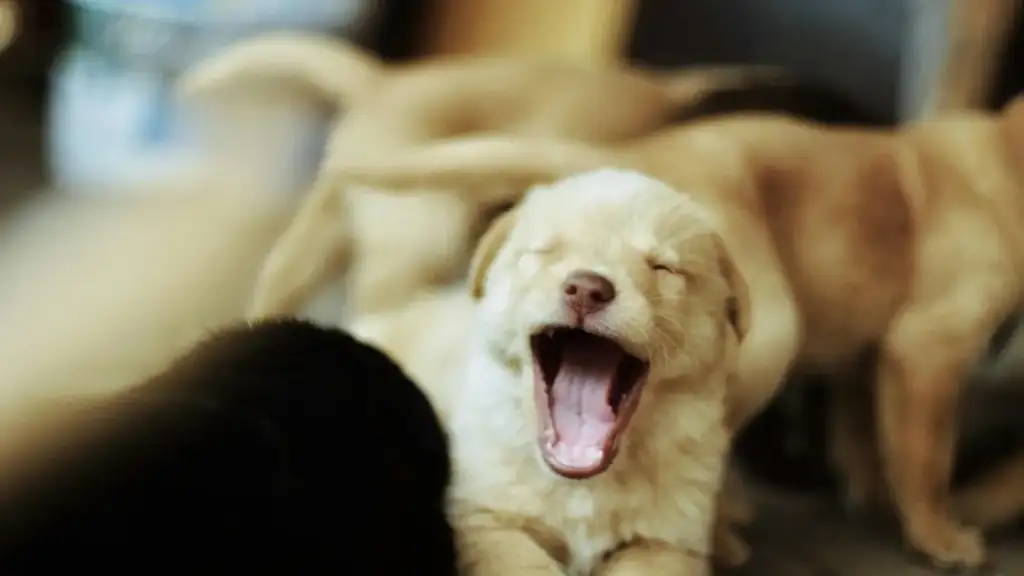
A well-prepared puppy essentials list makes the transition smoother for both you and your new dog.
Feeding and Hydration
- High-quality puppy food (use what your vet recommends or continue what the breeder used initially)
- Stainless steel or ceramic dog bowls
- Separate water bowls in accessible areas
Plastic bowls can harbor bacteria and scratch easily. Stainless steel bowls are durable and easier to sanitize.
When selecting the right food, look for AAFCO-approved formulas designed specifically for puppies. Puppies require different nutrient levels than an adult dog, especially for bone development and growth.
If you plan to transition foods, do it slowly over 7–10 days to avoid digestive upset. Treats should make up no more than 10% of daily calories.
If you’re unsure about feeding schedules or portion sizes, our team at Modern Vet is happy to help.
Identification and Walking Gear
- Comfortable collar with an ID tag
- Secure leash
- Poop bags
- Microchip (scheduled with your veterinarian)
An ID tag is essential even if your puppy is microchipped. Collars can slip off, but microchips provide permanent identification. Keeping microchip details updated throughout your dog’s life is an important part of responsible pet ownership.
Grooming Basics
- Slicker brush
- Nail clippers
- Puppy-safe shampoo
- Toothbrush and dog-safe toothpaste
Start handling your puppy’s teeth, paws, and ears early so grooming becomes a positive experience. Brushing your puppy’s teeth now helps prevent dental disease later.
Cleaning Supplies for Accidents
House training takes time. Expect accidents in the early weeks.
Keep on hand:
- Puppy training pads
- Enzymatic cleaners (to eliminate odor and prevent repeat accidents)
- Paper towels
Enzymatic cleaners break down urine molecules so your puppy isn’t drawn back to the same spot.
Chew Toys and Safe Toys: Supporting Healthy Development
Teething begins early, and your puppy likes to chew. Providing safe toys prevents them from turning to shoes or furniture.
Durable rubber chew toys, such as KONG-style toys, soothe sore gums and provide mental stimulation. Puppies need a variety of safe toys to stay engaged and discourage destructive chewing.
Rotate toys to keep things interesting and always supervise playtime with new items.
Feeding Your New Puppy for a Healthy Life
Choosing the right food is a major part of your new puppy checklist.
Puppies need a balanced, age-appropriate diet with proper protein, fat, calcium, and phosphorus levels. Feeding a diet designed for an adult dog too early can interfere with growth.
Helpful feeding tips:
- Keep meals consistent at the same times daily.
- Create a designated eating area separate from the sleeping space.
- Consult your breeder and veterinarian for guidance.
- Monitor weight to keep your puppy in tip top shape.
If you’re concerned about your pup’s growth curve or body condition, schedule a nutritional consultation with a John’s Creek vet to ensure everything stays on track.
The Medical Milestone Calendar: Veterinary Care Matters
One of the most important parts of any new puppy checklist is establishing veterinary care early.
Schedule your first appointment within 3–7 days of bringing your puppy home. Puppies typically visit their veterinarian every 3–4 weeks during the first few months.
At Modern Vet, we support families across North Georgia as a trusted Vet in Suwanee, Alpharetta, and Cumming. Early visits include:
- Physical exam
- Vaccine planning
- Fecal testing for parasites
- Discussion of heartworm, flea, and tick prevention
- Reviewing vet records from the breeder
Vaccinations
Core vaccines protect against distemper, parvovirus, rabies, and more. These vaccines allow your puppy to safely explore and socialize with other dogs.
Preventative care keeps your puppy healthy and reduces long-term risk.
Parasite Prevention
Georgia’s climate makes year-round parasite prevention essential. Your veterinarian will recommend the right preventive based on weight and breed.
Microchipping
Microchipping is quick and simple. It significantly increases the chances of being reunited if your pet becomes lost.
Pet Insurance
Many families consider pet insurance during puppyhood. Starting early often means lower premiums and better coverage for unexpected health needs.
Puppy Training and Socialization During the Critical Window
The first 16 weeks are a key developmental period. Socialization between 3–12 weeks builds confidence and prevents behavior issues.
Positive Reinforcement Training
Use positive reinforcement techniques to teach commands like:
- Sit
- Stay
- Come
Reward-based training builds trust and strengthens your bond. Avoid punishment-based methods, which can create fear.
Training classes are also a helpful way to socialize safely while reinforcing house training.
Potty Training and House Training Basics
Toilet training is an important part of early puppy training. A crate helps establish routine and reduces accidents.
Helpful strategies:
- Take your pup out after eating, sleeping, and playing.
- Use puppy training pads if outdoor access is limited.
- Praise immediately after successful potty trips.
- Be patient. Accidents are normal.
Consistency will create lasting habits.
Planning for Spay and Neuter
Timing for spay or neuter depends on breed, size, and health factors. Larger breeds may benefit from delayed procedures to support joint development.
Discuss a personalized plan with a Vet in Cummings to determine the right timing for your dog.
Surgical planning is an important part of lifelong health.
Helping Your Puppy Feel Secure in Their New Home
Moving from a breeder or shelter into a new home is a major adjustment. Creating predictable routines for feeding, sleep, and walks helps your puppy feel secure.
Keep introductions to other pets slow and supervised. Allow your new pup to explore gradually rather than overwhelming them.
Balanced mental and physical stimulation keeps your puppy engaged and reduces anxiety. Short training sessions, safe play, and structured walks build confidence.
Raising a New Dog Is a Journey
Your new puppy checklist is more than a shopping list. It’s a roadmap to a healthy, happy future.
By preparing your home, focusing on proper nutrition, investing in early training, and partnering with a trusted veterinarian, you set your furry friend up for success.
At Modern Vet, we love supporting families through every stage of life, from new puppy exams to adult dog wellness and beyond. If you’re ready to schedule your puppy’s first visit, connect with us and let’s start your pup’s journey together.
A healthy life begins with preparation, partnership, and a little patience. With this complete new puppy checklist, you’re ready to welcome your newest family member home with confidence.