
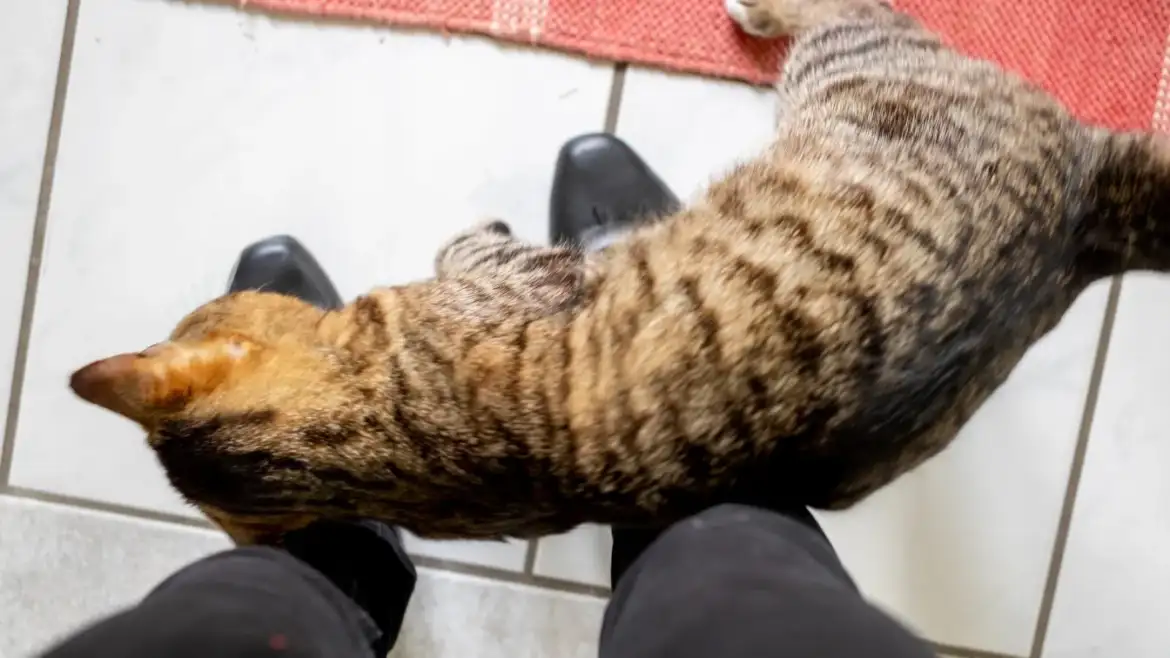
It’s one of those small moments that makes living with a cat feel special. You walk through the door, and your cat immediately weaves around your legs. You sit down on the couch, and suddenly there’s a gentle head bump against your hand or cheek. For many pet parents, this raises a simple question that turns out to have a surprisingly layered answer: why do cats rub against you?
As a veterinarian, I can tell you this behavior is far more than a casual sign of affection. Cats rub for communication, comfort, social bonding, and scent marking. This behavior, often called bunting or head rubbing, is part of a cat’s natural body language and plays a key role in how felines relate to humans, other cats, and their environment. Understanding why cats rub helps you read trust signals, recognize emotional bonding, and know when a behavior change might point to a health issue.
We’ll break down the science and behavior behind rubbing, explain when it’s completely normal, and highlight when it may be time to check in with your John’s Creet Vet.
Decoding the “Head Butt”: What Is Head Bunting?
In veterinary medicine, the affectionate head bump many cats give their humans is called head bunting. Most cats perform this behavior by rubbing their cheeks, forehead, chin, or even the tail base against people, other animals, or inanimate objects around the home.
This is not random. Cats have scent glands in these areas, and when they rub, they are transferring pheromones. These chemical signals are undetectable to humans but extremely meaningful to felines. Head rubbing, cheek rubbing, and full-body rubs are all part of a cat’s communication system.
So when pet parents ask, why do cats rub against you, the short answer is this: your cat is speaking their native language.
The Scent of Connection: Scent Marking Explained
Cats have scent glands located on their cheeks, chin, forehead, lips, and the base of the tail. When cats rub against you, they are engaging in scent marking, a natural behavior tied to territory and safety.
Unlike spraying, which many people associate with marking territory, rubbing behaviors are calm and social. Cats rub to mark objects, people, and even other animals with pheromones that signal familiarity and comfort.
Creating a Group Scent
In multi-cat households or outdoor colonies, cats share a communal scent or colony odor. This shared smell helps cats recognize members of their social group and reduces tension. When your cat rubs against you, they are adding you to that social group by creating a group scent.
House cats do this instinctively, just like they would with other cats they trust. You’ll often notice cats rub furniture, door frames, and other objects before rubbing their humans. These inanimate objects help anchor the cat’s sense of territory and stability within their world.
Why Rubbing Increases After You’ve Been Away
If you return home after a long day or a trip, your cat may rub more intensely than usual. This is scent gathering and re-marking in action. You smell like the outside world, other animals, food, and unfamiliar environments. Your cat is updating your scent profile so you once again fit into their territory.
This behavior is common in both male cats and female cats, regardless of age or breed. It’s one of the clearest signs that your cat views you as part of their safe zone.
A Sign of Trust and Affection
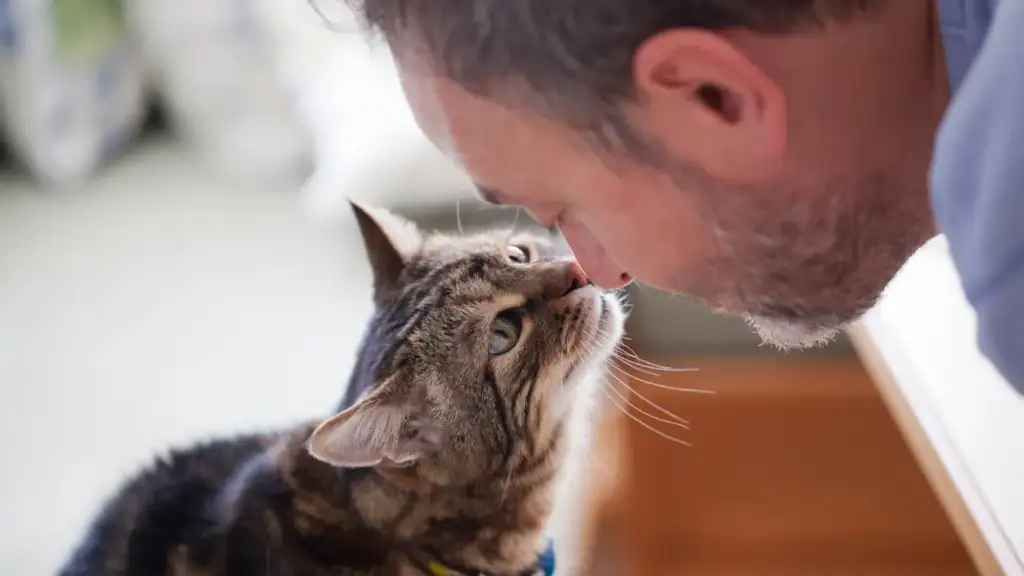
Cats are territorial creatures, but they are also deeply social with those they trust. In the wild, cats that are bonded will rub against one another to reinforce social bonds. When your cat rubs against you, they are showing affection and signaling acceptance.
Vulnerability and Body Language
Rubbing requires a cat to lean their body and head into you. This puts sensitive areas like the face and neck close to another being. From a behavioral standpoint, this shows trust. Cats do not do this with humans or animals they view as a threat.
Often, rubbing is paired with purring, relaxed posture, or a soft tail movement. These are all positive connections that indicate your cat feels safe in your presence.
Understanding feline body language is part of the comprehensive wellness care we provide at ModernVet. As a trusted Vet in Suwanee, our team helps cat parents interpret these behaviors so they can better support their pet’s emotional and physical health.
Information Gathering: The Feline Greeting Ritual
When cats rub against your legs after you walk in the door, they aren’t just being affectionate. They are also gathering information.
Cats rely heavily on their sense of smell to understand their environment. Rubbing allows them to pick up scents from your clothing, skin, and shoes. This tells them where you’ve been, whether you encountered other animals, and if anything has changed in their world.
A rub that ends with a tail wrap around your leg is often considered the feline equivalent of a friendly greeting or hug. In feline social groups, this behavior reinforces bonds and helps maintain harmony within the territory.
For stray cats or newly adopted cats, rubbing can also be a learned behavior that develops as trust builds. Once a cat feels secure, rubbing becomes part of their normal social routine.
When Rubbing Becomes a Request
Cats are observant learners. Over time, many cats learn that rubbing behaviors get results.
Attention Seeking and Learned Behavior
If your cat rubs against your legs right before mealtime, chances are they’ve learned that this behavior leads to food. The same goes for rubbing near the door, food bowl, or favorite toy. This is attention seeking behavior, and it’s not a bad thing.
Cats communicate needs through body language, and rubbing is one of the most effective tools they have. When pet parents respond with petting, feeding, or play, the behavior is positively reinforced.
Changes in Behavior Matter
While attention seeking rubbing is normal, sudden changes should not be ignored. If your cat is rubbing excessively, becoming unusually clingy, or has stopped rubbing altogether, it may signal stress, discomfort, or an underlying health condition.
Behavioral changes are one of the most common early signs veterinarians look for when assessing feline health. If something feels off, it’s worth reaching out to a Vet in Alpharetta to discuss what you’re seeing and decide if an exam is needed.
Is Excessive Rubbing Ever a Concern?
In most cases, rubbing is a healthy, positive behavior. That said, excessive rubbing or changes in rubbing patterns can sometimes point to medical issues.
Head Pressing vs. Head Rubbing
It’s important to distinguish normal head rubbing from head pressing. Head pressing involves a cat forcefully pressing their head against a wall, furniture, or floor for extended periods. This is not normal behavior and can be associated with intracranial disease or other serious neurological conditions. Head pressing is a medical emergency and requires immediate veterinary attention.
Localized Rubbing and Discomfort
If a cat is rubbing one specific area repeatedly, it may indicate pain or irritation. Common causes include:
- Ear infections that cause itching or pressure
- Dental disease leading to jaw or facial discomfort
- Skin allergies or flea reactions
- Feline hypersensitivity disorder
You may also notice additional symptoms such as hair loss, redness, changes in appetite, or cat bites or scratching in response to touch.
When pet parents notice these signs, a thorough exam helps identify the root cause. Our team is proud to support families as a Vet in Cummings, offering diagnostic and treatment options tailored to feline-specific needs.
How Rubbing Fits Into a Cat’s Emotional World
Cats experience their environment through scent, routine, and relationships. Rubbing behaviors help cats regulate their emotional state by reinforcing what feels familiar and safe.
For most cats, rubbing against humans strengthens the human–animal bond. It reassures the cat that their territory is stable and that their social group is intact. For cat parents, recognizing these behaviors helps build empathy and trust.
Cats that feel secure are more likely to display healthy social behaviors, including play, grooming, and relaxed affection. Supporting this emotional wellbeing is just as important as physical care.
Supporting Healthy Behavior as a Cat Parent
You don’t need to stop or discourage rubbing. In fact, acknowledging it gently supports your cat’s natural behavior.
- Allow your cat to initiate contact
- Respond calmly with soft petting if your cat enjoys it
- Avoid forcing interaction if your cat walks away
- Keep routines consistent to reduce stress
If rubbing becomes disruptive, such as tripping you near stairs or becoming frantic around food, small adjustments in routine or feeding schedules can help without discouraging the behavior altogether.
When to Talk to Your Veterinarian
If you’re ever unsure whether a rubbing behavior is normal, trust your instincts. Pet parents know their cats best. A quick conversation or wellness visit can provide reassurance or catch an issue early.
At ModernVet, our approach combines behavior insight with medical expertise. We understand that feline behavior and health are deeply connected, and we take time to listen to what cat parents are noticing at home.
If you ever have concerns about changes in your cat’s behavior, or if you want to learn more about feline wellness, our team is here to help. Explore our services or contact us to schedule a visit and support your cat’s health at every stage of life.