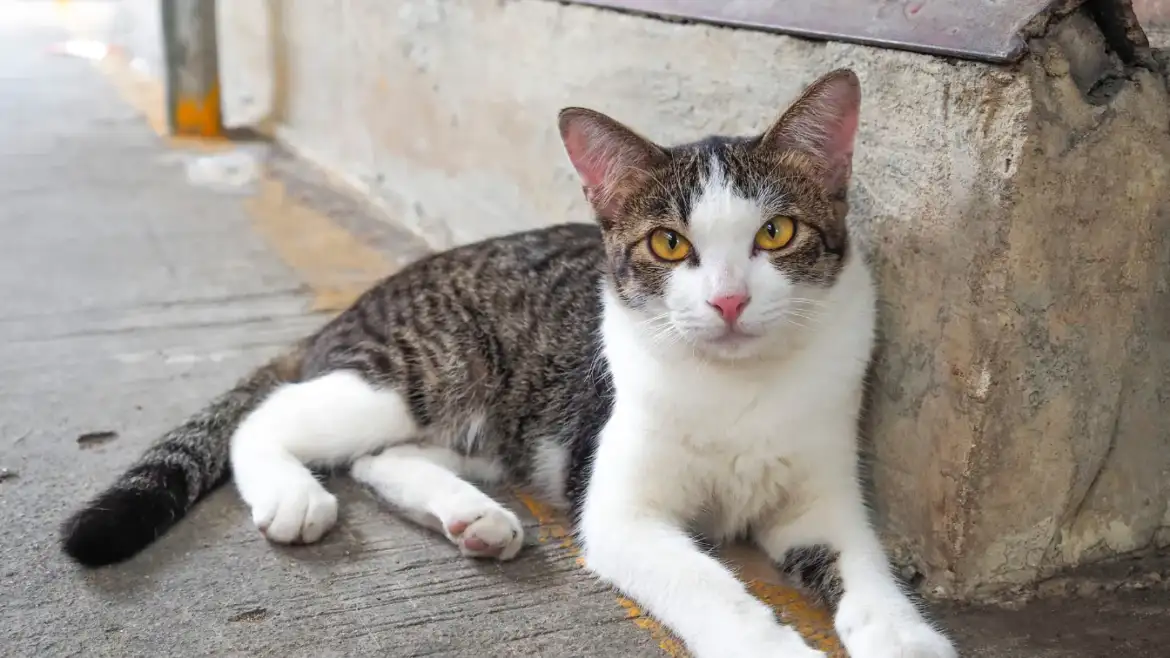
Finding a cat outdoors can stop you in your tracks. Maybe they’re lingering near your driveway. Maybe they’re crying in a parking lot. Maybe they showed up thin, dirty, and clearly in need of help. In that moment, one big question usually comes up fast: where do I bring a stray cat?
The answer depends on the cat’s behavior, condition, and whether they’re truly a stray, a lost pet, or one of many community cats living outdoors. Acting quickly is important—but acting thoughtfully is even more important. Here’s exactly what to do if you find stray cats in North Georgia, and how to protect the cat, your other pets, and yourself.
Step 1: Assess the Situation Before You Act
Before trying to catch or move the cat, take a few minutes to observe.
Is This a Friendly Cat or a Feral Cat?
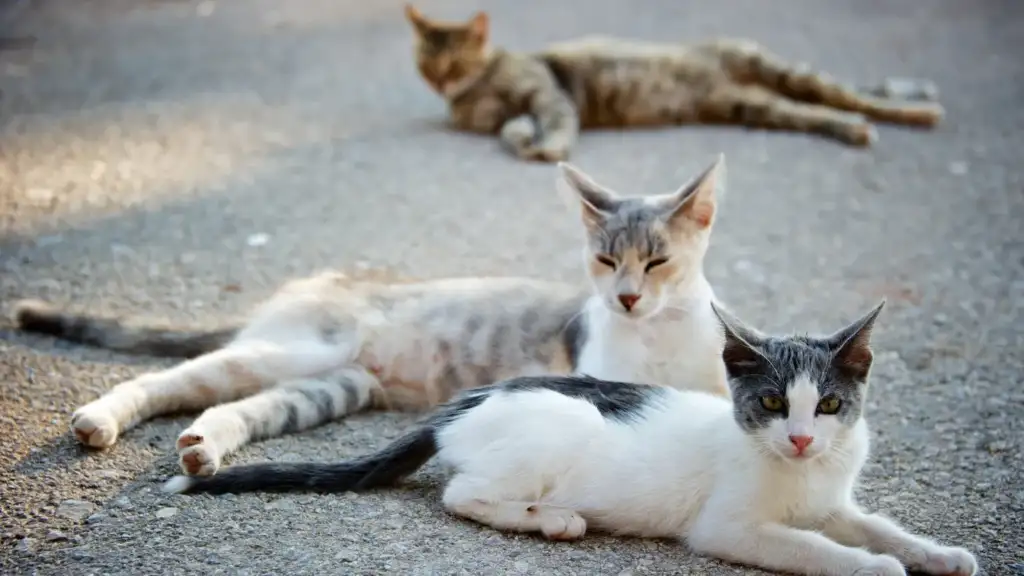
Understanding the difference between stray cats and feral cats helps you determine your next steps.
- Stray cats are generally lost or displaced pets. Many are socialized and may approach humans. A friendly cat may meow, rub against you, or make eye contact.
- Feral cats are typically born outdoors or have lived much of their life without human interaction. They’re not well socialized and are often scared, defensive, and quick to run.
If a cat is not friendly and keeps distance, hides, or hisses when approached, they are likely feral. Do not attempt to touch or pick up a feral animal. Cats that are not socialized can become scared and defensive, which may lead to scratches or bites.
Look at the Ears
An ear tip—a small, straight cut across the top of one ear—is a universal sign the cat has been through a Trap-Neuter-Return (TNR) program. If the cat has an ear tip and appears healthy, they are likely one of the area’s community cats and generally should be left outdoors unless they need medical attention.
Does the Cat Appear Healthy?
If the cat is in good shape, clean, and alert, it may simply belong to a nearby family and be allowed outdoors. In most cases, cats being outdoors is nothing to be concerned about.
If the cat appears underweight, injured, distressed, or ill, it’s time to step in and get professional help.
Step 2: If You Need to Catch the Cat
So, how do you safely catch a cat?
Gaining a Stray Cat’s Trust
If the cat is a friendly stray cat, spend time nearby and speak quietly. Sit at their level. Offer food and water. Many friendly cats will slowly warm up if you’re patient.
Avoid grabbing or chasing the cat. Even a friendly stray may panic if cornered.
Using a Humane Trap
If the cat won’t come to you, a humane trap may be necessary. Many local TNR groups, rescue groups, or animal shelters loan humane traps for free or a small deposit. Some local animal rescues and rescue organizations can also guide you through proper trap placement.
Tips for success:
- Use a live animal trap sized for one cat.
- Bait it with something strong-smelling like sardines or tuna.
- Place it in a quiet space where the cat feels safe.
- Monitor the trap closely to prevent dehydration or stress.
- Never leave a trapped cat in direct sun or extreme weather.
Once trapped, cover the trap with a towel to reduce fear. Keep the cat in a calm, safe space until you can transport them.
Step 3: Where Do I Bring a Stray Cat for Medical Attention?
Bringing the cat to a trusted local veterinarian—like your nearby John’s Creet Vet—allows professionals to:
- Scan for a microchip
- Assess overall health
- Check for intestinal parasites, fleas, or ear mites
- Evaluate injuries or illness
- Determine if the cat is spayed or neutered
Microchipping is one of the most effective ways to reunite lost pets with their families. Less than 2% of cats without microchips are reclaimed from a shelter. A quick scan can identify the cat’s owner in seconds.
If you’re near a Vet in Suwanee, our team at ModernVet can scan for a microchip and perform a wellness check.
If the cat is injured, lethargic, or clearly unwell, immediate medical attention is essential.
Step 4: Isolate the Cat at Home (If Safe to Do So)
If the cat is friendly and you can safely bring them inside, create a temporary safe space.
Choose a quiet room—like a bathroom or laundry room—away from other animals. Provide:
- Food and water
- A clean litter box
- A soft place to rest
- Minimal noise and disturbance
Isolation is critical to protect your other pets. Stray cats can carry diseases like FeLV or FIV, along with intestinal parasites and fleas.
Before introducing a new cat to other pets, schedule a screening with a veterinarian. If you’re looking for a Vet in Alpharetta, ModernVet is here to help.
Step 5: Search for the Cat’s Owner
If the cat is friendly, there’s a strong chance they have a family searching for them.
To find the cat’s owner:
- Post clear photos in local Facebook groups and Nextdoor
- Create simple “Found Cat” posters
- Contact your local animal control or local shelter to file a found report
Ask anyone claiming the cat for proof of ownership, such as photos or veterinary records.
Reuniting a missing cat with their family is one of the best possible outcomes.
Step 6: What If No Owner Is Found?
After scanning for a microchip and searching thoroughly, you may need to decide the next step.
If the Cat Is Friendly
If no cat’s owner comes forward, you have options:
- Adopt the cat into a permanent home
- Contact a local rescue organization or rescue group
- Foster while working with cat rescues for adoption placement
Avoid immediately surrendering to a shelter environment, especially those without guaranteed placement. Many shelters remain overcrowded.
If you decide to adopt, schedule vaccinations, parasite prevention, and spay or neuter surgery. ModernVet provides comprehensive care for newly adopted pets, including surgical services and preventive care.
If you’re near a Vet in Cummings, our team can help establish a long-term health plan for your new family member.
If the Cat Is Feral
If the cat is feral and healthy, they are often best left in their outdoor territory.
Community cats thrive in familiar environments. Removing them to a shelter can cause significant stress and reduce well being.
Instead, contact a TNR program or TNR group in your area.
Trap-Neuter-Return programs humanely trap the cat, spay or neuter them, vaccinate them, ear tip them, and return them to their territory. This reduces overpopulation and improves overall community health.
Special Situations: Kittens
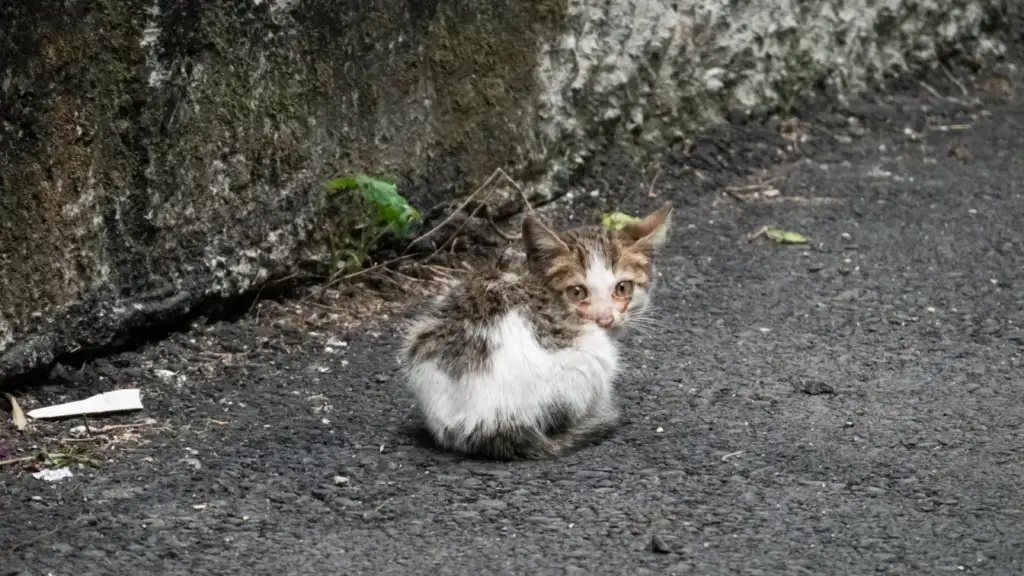
Finding kittens can feel urgent, especially if they appear small or alone. Before stepping in, pause and assess carefully.
If you find kittens:
- Look for the mother before intervening. Mother cats often leave briefly to search for food and will return. Observe from a distance and avoid handling the kittens right away.
- Wait several hours if the kittens appear healthy. If they are warm, quiet, and tucked together, mom is likely nearby. Intervening too quickly can accidentally separate them from their best source of care.
- If they are cold, crying continuously, visibly injured, or in immediate danger, intervene right away. Kittens cannot regulate their body temperature well, especially those under four weeks old.
Age matters. Neonatal kittens (under 4 weeks) require bottle feeding every few hours and round-the-clock warmth. Kittens around 5–8 weeks may be eating solid food but still need close monitoring and proper medical attention, including deworming and vaccinations.
Before bringing kittens to a shelter, contact a veterinarian or local rescue organization for guidance. Many shelters are overwhelmed during “kitten season,” and young kittens often need foster placement rather than a traditional shelter environment. A veterinary clinic can assess their health, estimate their age, check for intestinal parasites, and help you determine the safest next step.
When Not to Intervene
Sometimes the best action is minimal action.
If a cat:
- Has an ear tip
- Appears healthy
- Avoids humans
- Is part of a known community cat colony
It may be best to leave the cat alone and contact a local TNR group for monitoring support.
If the cat is healthy and not friendly, do not try to touch or trap unless medical attention is needed.
Where Do I Bring a Stray Cat?
Start with a veterinary clinic for a microchip scan and health assessment. From there, determine whether the cat is a lost pet, a friendly stray ready for adoption, or a feral cat best supported through a TNR program.
Your actions can make a real difference in a cat’s life—whether that means reuniting them with their family, helping them receive medical care, or ensuring they’re humanely spayed and returned safely to their outdoor home.If you’ve found a stray and need guidance, our team at ModernVet is here to help. Visit our website to learn more, explore our services, or contact us directly. Whether you need a microchip scan, medical attention, or help deciding what to do next, we’re proud to support pets and families across North Georgia.