Facial swelling in dogs is a common issue that can lead to both mild and severe symptoms. Early detection and response are crucial to ensure your dog’s health and comfort. We will share some safety tips and guide you through the various causes, symptoms, and treatments for a dog with a swollen face so you know when to seek veterinary care.
Why is My Dog’s Face Swollen?
The most common causes of facial swelling in dogs are allergic reactions or dental problems. A dog’s swollen face could also be the result of lifestyle or dietary changes. Facial swelling may also be an indication of underlying health problems, so it is important to identify the cause as soon as possible to determine the proper course of treatment, as you can save your dog from serious pain and yourself from a massive headache if you catch problems early.
Facial swelling can happen in all dog breeds from Labrador Retrievers, to German Shepherds, to Yorkies. However, brachycephalic, or flat-faced, breeds like bulldogs and pugs are more prone to infections or allergic reactions that could result in facial swelling.
Allergic Reaction
Allergic reactions are a frequent cause of facial swelling in dogs. In our practice, we often treat dogs dealing with allergic reactions resulting from bug bites, such as bee stings, or reactions to certain foods. The inflammatory response to allergens causes the swelling and can be accompanied by itching, redness, and discomfort. Be wary of what has caused previous reactions in your dog, as this could help in treating your dog’s facial swelling should a similar reaction happen again.
Depending on the allergen, your dog may experience mild reactions, like minor swelling and slight discomfort, or they may have a severe allergic reaction, which may include significant facial swelling, difficulty breathing, and extreme distress, all of which could be life threatening reactions. A severe allergic reaction can cause facial swelling as the dog’s immune system overreacts to an allergen, which is a sign that immediate medical care is needed.
Infections
Dental infections, particularly abscesses and tooth infections, can result in tooth decay and are common causes of facial swelling. Dental health issues like tooth abscesses, oral injuries, or periodontal disease can cause significant swelling around the dog’s mouth and jaw. Oral infections, tooth decay, and injuries to the head or jaw could all contribute to your dog’s facial swelling. Other infections, such as skin infections or sinus infections, can also lead to swelling.
You can help prevent swelling caused by dental injuries by ensuring your dog receives regular dental care.
What are Some Less Common Causes of Facial Swelling?
- Traumatic Injury: Trauma, including bites from other animals or accidents, can cause facial swelling. When trauma occurs to your dog’s head, it may lead to bruising, swelling, and even broken bones, all of which require prompt veterinary attention. Keep a close eye on your dog when outside or around other dogs to prevent fights that could cause physical trauma.
- Tumors and Growths: Your dog may also have an underlying health complication causing your pet’s face to swell, such as tumors and fluid-filled growths. While some growths may be benign, others can be malignant and require immediate treatment.
Symptoms Accompanying Facial Swelling
Dogs with facial swelling often exhibit behavioral changes such as increased irritability, lethargy, trouble breathing, or a decreased appetite. They may paw at their face or avoid eating due to pain.
In addition to swelling, you may notice a dog with a facial injury has redness, heat, discharge, or a foul odor emitting from the affected area. The skin around the swollen area may also appear reddened and irritated.
Diagnosing the Cause of Facial Swelling
Your vet can perform a full physical exam and may recommend diagnostic tests such as dental X-rays or blood tests to identify the underlying issue.
Pet owners should observe their dogs closely and report any changes to the vet to get an accurate diagnosis. Take photos of the swelling to show any progression and note any other symptoms, such as changes in behavior or eating habits. Be sure to act swiftly if your dog is exhibiting more severe symptoms and treat it as a veterinary emergency.
Immediate Actions to Take
If you notice your dog’s face is swollen, there are a few steps you can take at home to provide temporary relief. Apply a cold compress to the swollen area to reduce inflammation. Ensure your dog stays hydrated and comfortable. Especially in the case of allergic reactions, mild reactions tend to resolve with minimal intervention. Your vet may even be able to prescribe an allergy medication that can provide more peace of mind regarding your pet’s condition.
However, if your dog experiences sudden facial swelling, the swelling in your dog’s face is severe, your dog has difficulty breathing, or the swelling is accompanied by other serious symptoms like vomiting or extreme lethargy, seek veterinary care immediately.
Treatment Options for Facial Swelling in Dogs
Treatment will depend on what exactly is causing swelling. For an allergic reaction or for dental problems, your vet may prescribe anti-inflammatory pain meds or antihistamines. Infections often require antibiotics, while dental issues may need oral surgery or other dental procedures.
Follow your vet’s instructions for at-home care, which may include administering prescribed medications and keeping the affected area clean. Regular follow-up appointments may be necessary to monitor your dog’s recovery.
How Can I Prevent Dog Facial Swelling?
When you let your dog roam free outside or play off-leash, you can help prevent facial swelling by minimizing your dog’s exposure to allergens, being sure to closely monitor interactions with other animals or pests, and ensuring they receive regular flea and tick treatments, as a simple environmental allergen could cause a serious infection. Keeping your home clean and free of pests can also help prevent insect bites.
Maintain your dog’s dental health with regular check-ups and cleanings. Dental issues are a common cause of facial swelling, and proactive care can prevent many problems. Having your vet check for broken teeth or fractured teeth along with ongoing routine dental checkups are great ways to protect your pup and lower your dog’s risk of experiencing life-threatening ailments.
Complications of Untreated Facial Swelling
Untreated facial swelling, especially if due to an infection, can spread to other parts of the body. This can lead to more serious health complications and requires prompt treatment. Chronic swelling and untreated infections can result in long-term health issues, including systemic infections and permanent damage to the affected tissues.
How Can I Care for a Dog with Facial Swelling?
Make sure your dog stays hydrated and receives proper nutrition during recovery. Soft foods may be necessary if the swelling makes eating difficult.
Provide a comfortable and quiet environment for your dog to rest and recover. Minimize stress and avoid any activities that could exacerbate the swelling or cause discomfort.
When Should I Take My Dog to a Vet?
Consult your vet if the swelling persists for more than a day, worsens, or is accompanied by other concerning symptoms. Regular veterinary check-ups can help catch potential issues early.
Routine check-ups allow your vet to monitor your dog’s overall health and catch any potential problems before they become serious. If your dog’s symptoms seem severe after they have been exposed to pollen or other environmental allergens, or they are showing other signs of distress, we strongly suggest contacting your vet immediately to determine the underlying cause and to get your dog the emergency care they need.
Know When to Take a Dog Swollen Face Seriously
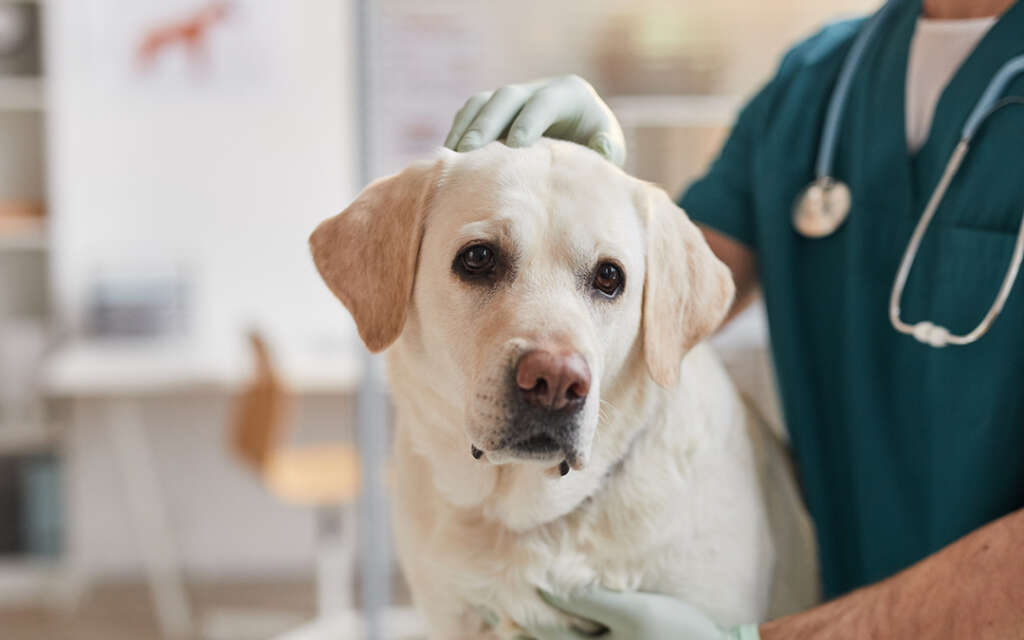
Facial swelling in dogs can be caused by various factors, from minor allergic reactions to serious infections or injuries. Early detection and treatment can help prevent complications like breathing difficulties. By following the advice provided here and maintaining regular veterinary care and observing your dog closely, you can ensure your canine companion stays healthy and comfortable. For more information on pet care and treatments, visit our pet treatments and urgent care pages. If you notice any signs of facial swelling in your dog, do not hesitate to contact our John’s Creek Vet Clinic for professional advice and care.