Summary
Hyperthyroidism is a common hormonal disorder in cats, most often affecting senior cats. It can lead to serious issues like heart failure and kidney disease. However, it is easy to miss symptoms of hyperthyroidism in cats because the cat can appear healthier than usual. This guide will help you learn the signs to look for to keep your friend healthy.
You may notice your cat has a ravenous appetite while losing weight. It is easy for owners to be fooled into thinking their senior cat is in fantastic shape. But by the time more serious symptoms appear, the heart and kidneys may already be in distress.
At ModernVet, we see many cases of hyperthyroidism in senior cats. While it can be tough for owners to notice, knowing and recognizing the red flags can be a huge help. And once those red flags are noticed, hyperthyroidism in cats is one of the most easily treatable conditions if caught early.
What is Hyperthyroidism?
Feline hyperthyroidism is caused by abnormal tissue in the thyroid gland producing too many thyroid hormones, which in turn accelerates the metabolic rate of a cat beyond its normal rate. The thyroid’s purpose is to regulate metabolism, but in this case, a tumor causes the thyroid to produce hormones constantly. It is worth noting that thyroid cancer is rare, and that most of these tumors are benign.
Hyperthyroidism is the most common endocrine disorder in cats, typically affecting felines aged 12-13. It is rare in cats under ten, so senior cats are the ones to watch for here.
What are Symptoms of Hyperthyroidism in Cats?
A combination of unexplained weight loss and increased appetite is the most common telltale sign of hyperthyroidism. Other common symptoms include the following:
| Early-Stage Symptoms | Symptoms as Disease Progresses |
| Weight loss | Abnormal heartbeat |
| Increased appetite | High blood pressure |
| Increased thirst | Sudden blindness |
| Frequent urination | Labored breathing |
| Hyperactivity/restlessness | Heart failure |
| Unkempt coat of fur | |
| Vomiting | |
| Diarrhea |
Most owners that come in with a cat dealing with hyperthyroidism tell us that their cat has a ravenous appetite, but often their ribs are showing. The owners think it is just an effect of getting older, when in reality, the cat’s thyroid is operating too intensely.
You can learn more about the more serious potential symptoms of hyperthyroidism in cats with Heart Murmur in Cats: Everything You Should Know and Cat Wheezing: Causes, Symptoms, and When to See a Vet.
Causes of Feline Hyperthyroidism
The primary cause of hyperthyroidism is a benign tumor causing the thyroid to bypass the body’s normal regulatory feedback and produce thyroid hormones autonomously. Some studies have also labeled exposure to certain chemicals in cat food recipes, canned food liners, and household flame retardants.
In our experience, we have found males and females are at relatively equal risk, while domestic short and long-haired cats over the age of ten are most commonly affected by hyperthyroidism. In fact, purebred cats like Siamese, Himalayan, and Burmese tend to be less commonly affected.
How is Hyperthyroidism in Cats Diagnosed?
Feline hyperthyroidism can be easily confirmed with a simple blood test, as elevated T4 thyroid hormone levels are usually a telltale sign of excessive thyroid activity.
| Test | What It Measures | What it Shows |
| Physical exam | Enlarged thyroid gland | Non-cancerous tumor is disrupting regulatory function of hormone production |
| Blood panel | Elevated T4 levels | Excessive hormones are causing cat’s appetite and weight loss |
| Thyroid scan | Overactive tissue | Areas affected by increased hormone production |
Blood tests can also assess kidney function, as hyperthyroidism can often mask kidney disease, as the elevated thyroid hormones force more blood through the kidney, which makes the kidney appear to be doing its job better than it wants to.
What Happens if Hyperthyroidism is Left Untreated?
Hyperthyroidism does not get better with time. It is a progressive condition and the excess thyroid hormones will continue to accelerate your cat’s metabolic rate. The longer that happens, the more strain it puts on the heart and other vital organs.
Since the heart has to work harder to keep up with the demand of the elevated hormones, it can lead to heart disease, high blood pressure, an abnormal heartbeat, and, eventually, heart failure.
Sudden Blindness Caused by Hyperthyroidism
High blood pressure can also cause retinal detachment and sudden blindness in your feline friend. This is one of the most serious side effects of hyperthyroidism and is a reminder of how important it is to recognize and treat the condition quickly. Many owners never realize this could be caused by a thyroid issue, but this is a very possible result of hyperthyroidism.
Treatment Options for Hyperthyroidism in Cats
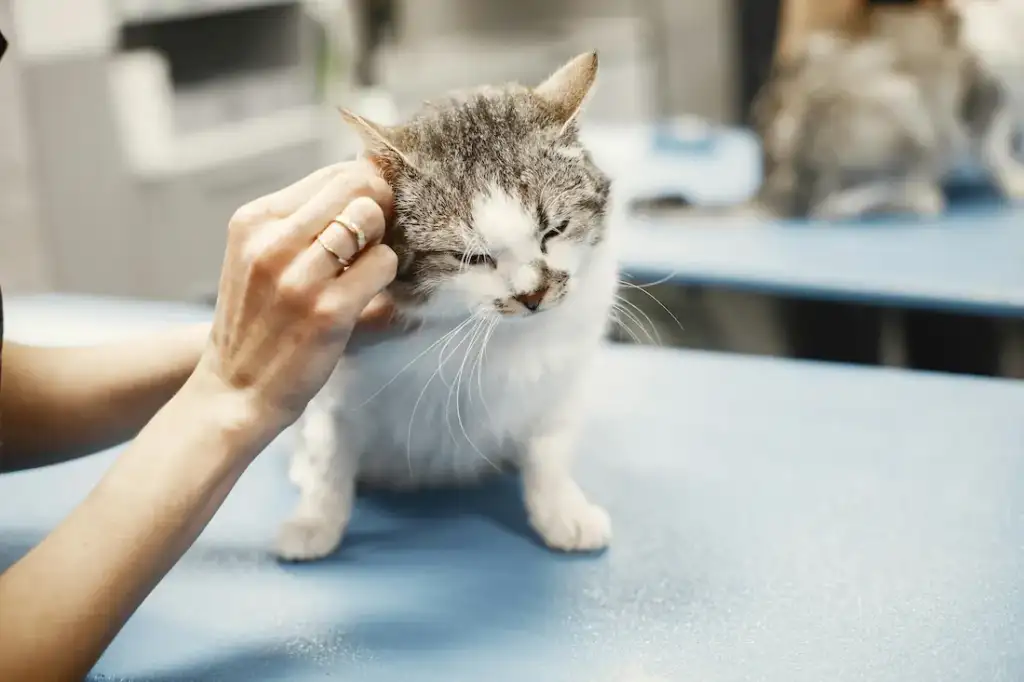
There are four main treatment options to treat symptoms of hyperthyroidism in cats: daily medication, radioactive iodine therapy, prescription diet, and surgical treatment. The best course of action for any specific cat depends on its age, health status, and owner circumstances.
| Treatment Option | How It Works | Pros | Cons | Best For |
| Oral Medication | Methimazole pill or gel blocks thyroid hormone production | Easy to administer | Only controls, does not cure; Requires lifelong treatment and constant monitoring | Any cat |
| Radioactive Iodine Therapy | Radioactive iodine is injected and targets abnormal thyroid tissue | Fully cures hyperthyroidism in most cases; No further treatment required | Presents risk to older cats with advanced heart or kidney disease | Younger, otherwise healthy cat |
| Prescription Diet | Low-iodine diet limits material needed for thyroid gland, controlling hormone production | Effective and accessible | Must be strictly followed, which can be challenging in multi-cat households or for outdoor cats | Indoor cats in single-cat homes |
| Surgical Treatment | Affected thyroid gland is surgically removed | Can fully cure hyperthyroidism if all abnormal tissue is removed | Necessary anesthesia can be risky for older cats | Younger cats |
Oral Medication (Methimazole)
Available as an oral tablet or transdermal gel that can be rubbed inside of the ear, this is the most commonly recommended first-line treatment. Methimazole blocks thyroid hormone production, which helps control the condition, not cure it.
Because this only mitigates the issue without curing it, it requires lifelong treatment, ongoing medication, and regular monitoring. Regular blood tests are still recommended to get a clearer look at thyroid levels and kidney function.
We know that cats are notoriously hard to pill, and while the pill offers more predictable absorption, the gel is easy to apply and works like a charm.
Radioactive Iodine Therapy
In this procedure, radioactive iodine is injected and carefully destroys abnormal thyroid tissue while leaving normal tissue intact. This is considered the best option, as it cures hyperthyroidism in most patients with a single injection. This therapy requires referral from a specialist and a short hospitalization period.
Most cats see a return to normal thyroid hormone levels in just a few weeks. That said, this procedure is not recommended for all patients. Older cats experiencing advanced heart or kidney disease require careful evaluation to determine how viable this option is for them.
Prescription Diet
A low-iodine diet can limit the raw material the thyroid needs to produce hormones. But this method only works when the diet is strictly followed, meaning no other cat food, treats, or outdoor foods. The necessary strictness of this method makes it very difficult for outdoor cats or multi-cat households.
Surgical Treatment
This method involves removing the affected thyroid gland completely and cure the condition if all abnormal tissue is removed. However, this requires the cat to undergo anesthesia, which can be dangerous in older cats. This method is less common now that radioactive iodine therapy is readily available.
Does Hyperthyroidism Affect Cats’ Kidneys?
Many pet owners are surprised to learn that kidney disease can be hidden by the effects of hyperthyroidism. The increased hormones artificially force blood flow to the kidneys, which can make the kidney to appear to be functioning better than it actually is. While the kidney may seem to be working at a strong level, kidney enzymes will often creep up once the thyroid is under control. Keeping the thyroid controlled and kidney enzymes at a respectable level can be a very challenging balancing act.
It is important to note that this is not a reason to avoid treating hyperthyroidism, as doing so can have serious consequences itself. But consider this a reason to monitor your cat’s kidney function during treatment and beyond.
How Can I Tell the Difference Between Hyperthyroidism and Other Conditions?
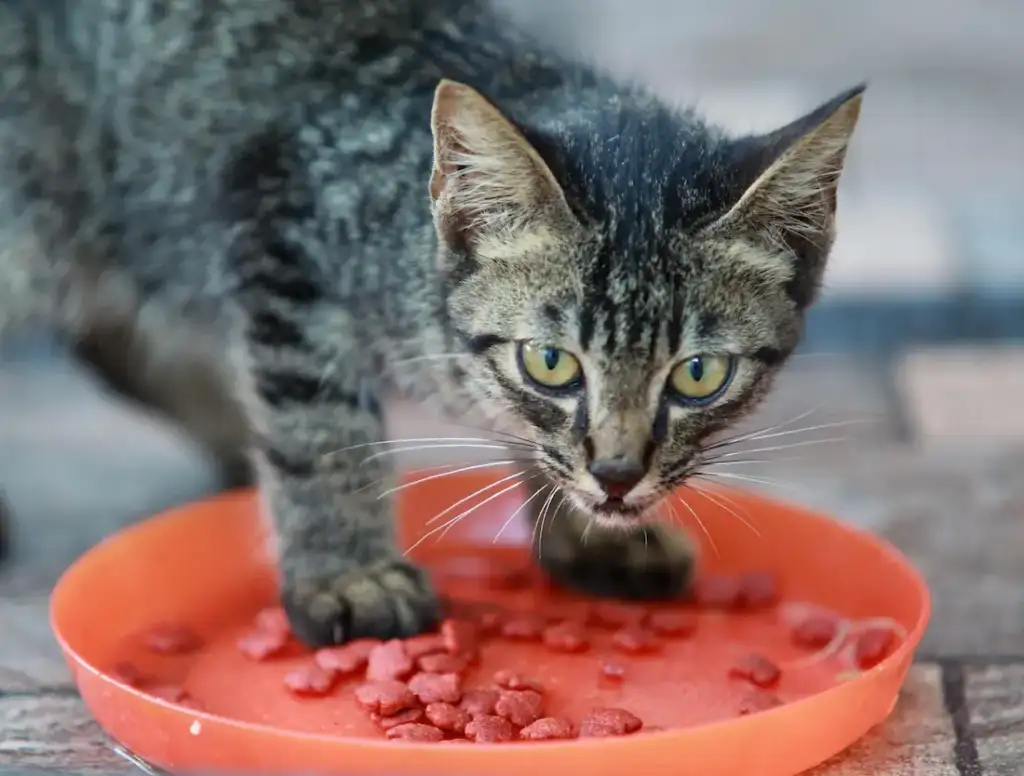
The symptoms of hyperthyroidism can easily be mistaken for other diseases, as weight loss, increased appetite, and vomiting are also symptoms of diabetes mellitus, inflammatory bowel disease, intestinal cancer, or chronic kidney disease. A blood test conducted by your vet is a quick, easy, and affordable way to identify the issue, as raised T4 hormones are a strong indicator of hyperthyroidism and can rule out other ailments.
Long-Term Outlook for Cats Treated for Hyperthyroidism
Cats who receive proper treatment have a very positive long-term outlook and see quality of life improve significantly. Cats treated with radioactive iodine therapy are often cured with a single treatment.
After treatment, you can expect your cat to regain weight, showcase a normal amount of energy, and have a softer, better kept coat of fur. Be sure to continue monitoring your cat for life, as regular blood tests can ensure their thyroid levels, blood pressure, and kidney functions are all normal.
It is important to pay extra attention to your cat’s kidney health, as kidney issues that were masked by increased thyroid hormones may come to light.
Frequently Asked Questions About Feline Hyperthyroidism
| Question | Answer |
| How is hyperthyroidism in cats diagnosed? | Feline hyperthyroidism can be easily confirmed with a simple blood test that measures T4 thyroid hormone levels. We also run a full blood panel to check other organ functionality to get a better picture of the treatment that will work best for your cat. |
| Can hyperthyroidism in cats be cured? | Yes. Radioactive iodine therapy and surgical removal of the thyroid both tend to cure hyperthyroidism in cats with just one treatment. Methimazole medication and a low-iodine prescription diet are both capable of effectively controlling the condition, but not fully curing it. |
| What happens if hyperthyroidism is left untreated? | If the symptoms of hyperthyroidism in cats are left untreated, the thyroid will continue producing hormones beyond the body’s normal regulatory function, which can cause high blood pressure, which can in turn cause heart disease and sudden blindness caused by retinal detachment. |
| Does treating hyperthyroidism hurt the kidneys? | Treating hyperthyroidism itself does not harm the kidneys, but returning thyroid levels to normal can unmask kidney disease that was already present, but hidden by increased blood flow caused by hyperthyroidism. We closely monitor kidney function along with thyroid function, as keeping both at a healthy level can be a balancing act. |
| How common is hyperthyroidism in cats? | It is extremely common in cats over ten, and especially so in cats aged 12-13. We constantly have owners come in with skinny cats who think their pet has cancer without realizing it is actually hyperthyroidism that is the culprit. |
Recognizing Hyperthyroidism in Cats
While this condition is extremely common in and potentially dangerous to senior cats, it is highly treatable with a positive long-term outlook if caught in the early stages. However, it can be easy to miss the signs.
A senior cat that has lost weight and has a ravenous appetite is not necessarily a healthy one. These are common symptoms of hyperthyroidism in cats and are worth getting checked by your vet immediately.
Do You Think Your Cat is Suffering from Hyperthyroidism?
If your cat is showing these symptoms or is overdue for a thyroid check, come visit us at ModernVet so we can help keep your feline friend happy and healthy. Learn more about All Services we offer. We have extensive experience treating senior cats and a simple blood test is all it takes to catch and treat symptoms of hyperthyroidism in cats before they manifest into serious issues.