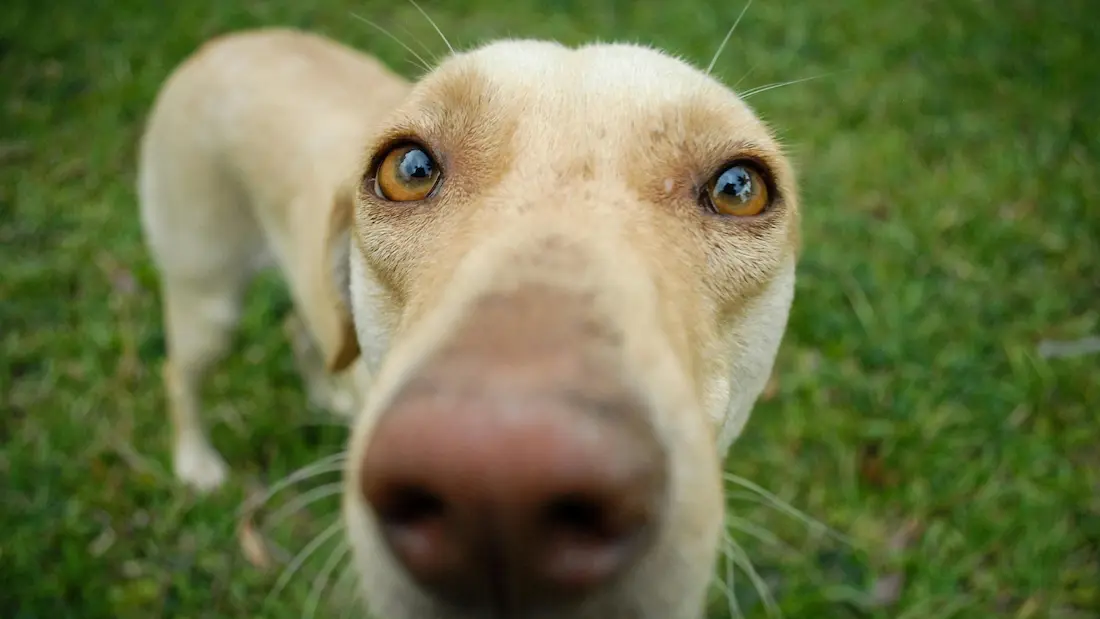
Eye problems in dogs tend to show up quickly, and they can go from mild irritation to a true dog eye infection in a short amount of time. When something looks off with your dog’s eyes, most owners aren’t sure whether it’s an emergency, seasonal irritation, or something more serious. Since infections can threaten vision if left untreated, getting prompt veterinary care is the simplest way to protect your dog’s comfort and long-term health.
If you’re in Johns Creek, Alpharetta, Suwanee, or Cumming, GA, the team at ModernVet can examine your dog’s eyes, identify the underlying cause, and start the right dog eye infection treatment plan.
How to Tell if Your Dog Has an Eye Infection
Eye infections in dogs usually bring a mix of visible changes and behavioral shifts. Spotting these early helps you get ahead of any inflammation before it turns into something more serious.
Dog Eye Infection Symptoms
Common symptoms include:
- Yellow or green discharge: Thick mucus often signals bacterial infections.
- Eye redness: The whites of the eyes or the inner corner may look irritated or bright pink.
- Cloudiness: A hazy or milky surface can indicate swelling, corneal ulcers, or keratitis.
- Swelling of the eyelids: A puffy outer portion of the eye is often linked to canine conjunctivitis or blocked tear ducts.
- Reddish-brown staining: Tears may leave a rusty residue, especially when tear production is disrupted.
Behavior changes you may notice
Dogs often try to relieve discomfort any way they can.
Your dog may start:
- Pawing at the eye or rubbing against furniture
- Squinting, excessive blinking, or holding the affected eye shut
- Avoiding light due to sensitivity
- Shying away from touch near the face
Any of these clinical signs point to irritation, inflammation, or infection and are a good reason to schedule an eye exam with a Vet in Johns Creek or surrounding areas.
Common Causes of Eye Infections in Dogs
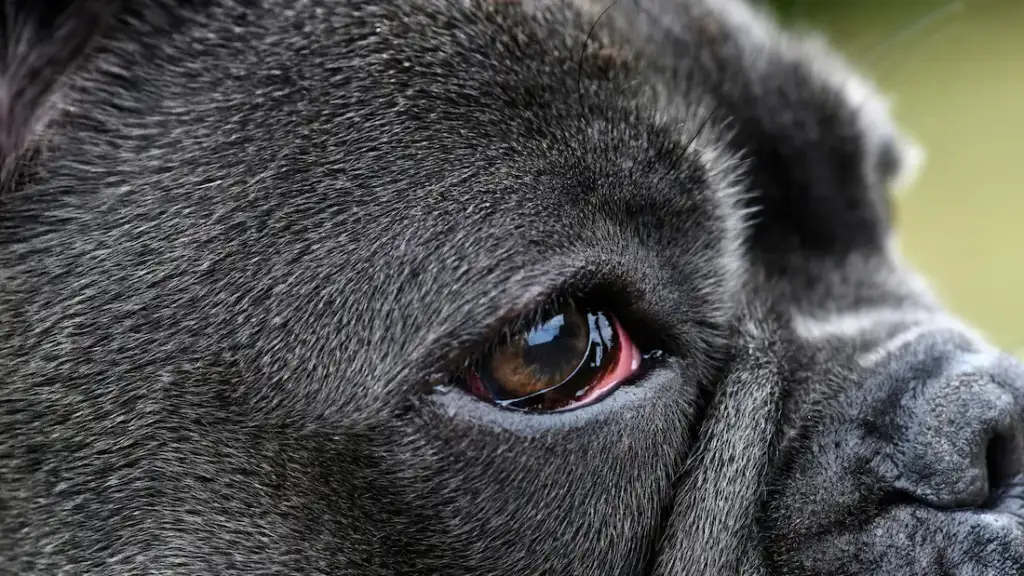
Infectious agents
A dog’s eye infection often comes from:
- Bacterial infections
- Viruses such as canine influenza or distemper
- Fungal infections (less common but possible)
These infections can lead to swelling, discharge, pain, and even complications like corneal ulcers.
Irritants and Foreign Material
Eye problems often begin with something as small as foreign matter. Dust, sand, debris, or a tiny foreign body under the eyelid can cause redness, itching, and secondary infection.
Eyelid or Eyelash Abnormalities
Dogs with inward-turning eyelids or eyelashes that rub the eye surface can develop ongoing irritation. Conditions such as entropion, distichiasis, or other eyelash abnormalities increase the risk of chronic inflammation.
Dry Eye (Keratoconjunctivitis Sicca)
Keratoconjunctivitis sicca, or dry eye, occurs when tear production is too low. Without enough natural lubrication, the eye becomes vulnerable to infection. Many owners first notice sticky discharge, eye redness, or a dull look to the eye.
Allergic Conjunctivitis
Seasonal allergies bring itching, swelling, and clear discharge. Dogs may rub their face more often, which can introduce bacteria and lead to infection in the inner corner or the mucous membrane.
Underlying Health Conditions
Systemic illness, immune-related disease, and chronic inflammation can all affect your dog’s eye health.
How Veterinarians Diagnose Dog Eye Infections
Because many eye diseases share similar symptoms, an accurate diagnosis is essential. During an eye examination, your veterinarian will look closely at the cornea, eyelids, third eyelid, conjunctiva, and tear film.
Your vet may use a few different types of testing tools to pinpoint the underlying cause:
- Schirmer Tear Test: This measures tear production and helps determine whether dry eye is contributing to the irritation.
- Fluorescein Stain: A safe dye is applied to highlight scratches, corneal ulcers, or foreign bodies on the eye surface.
- Tonometry: This checks intraocular pressure to rule out glaucoma or uveitis.
If you’re seeking veterinary care in Alpharetta, Suwanee, or Cumming, Modern Vet offers thorough diagnostics and same-day support through our urgent care services.
Types of Eye Infections Seen in Dogs
Dogs can experience a few different types of eye infections, and each one comes with its own set of symptoms, causes, and treatment needs. Some infections start with bacteria or viruses, while others develop because of allergies, dry eye, or structural issues that irritate the surface of the eye. Below are some of the most common types veterinarians diagnose.
Bacterial Conjunctivitis
Bacterial infections are the ones most owners recognize first because they usually create thick green discharge, swelling, and eye redness. You may see your dog wake up with the eyelids stuck together or notice the discharge building up again shortly after cleaning it away. These infections often develop after irritation, injury, or rubbing that allows bacteria to enter the eye. With early diagnosis and the right medication, most dogs improve quickly.
Viral Conjunctivitis
Viral causes tend to show up alongside symptoms of a larger systemic illness. Your dog might have coughing, sneezing, or a runny nose along with watery or mucus-like discharge from the eye. Because viruses like canine influenza or distemper can impact multiple body systems, your veterinarian may recommend additional testing to rule out underlying health conditions. Supportive care and targeted treatment can help keep the inflammation under control while your dog recovers.
Allergic Conjunctivitis
Dogs with environmental allergies often struggle with itchy, watery, red eyes during certain seasons or after exposure to pollen, dust, or household irritants. The discharge is usually clear at first, but excessive rubbing or pawing can introduce bacteria and create a secondary infection. Long-term relief usually involves treating both the allergy itself and the resulting eye irritation.
Dry Eye–Related Infections
Dogs with dry eye don’t produce enough natural tears to keep the eye surface lubricated and protected. Without that moisture barrier, dust and debris irritate the cornea, leading to inflammation and frequent infections. You may notice thick, sticky discharge or a dull, dry appearance to the cornea. Many dogs with keratoconjunctivitis sicca need ongoing medication to stimulate tear production and protect eye health.
Cherry Eye
Cherry eye happens when the gland in the third eyelid slips out of place and becomes visible. While it isn’t an infection on its own, the exposed gland can trap debris and make the eye more vulnerable to irritation, swelling, or bacterial overgrowth. Dogs who develop cherry eye often need surgical correction to prevent repeated inflammation or long-term damage to tear production.
Keratitis and Keratoconjunctivitis
These conditions involve inflammation of the cornea and surrounding tissues. Keratitis can develop from injury, chronic irritation, or immune-related disease, while keratoconjunctivitis involves both the cornea and the conjunctiva. Dogs with these conditions may show cloudiness, light sensitivity, or discomfort that comes and goes. Because these issues often become chronic, many dogs need long-term management and regular check-ins to protect their vision.
Treatment Options for Eye Infections
Depending on the diagnosis, a treatment plan may include:
- Antibiotic eye drops or ointments for bacterial infections
- Anti-inflammatory drugs to reduce swelling and pain
- Artificial tears to boost moisture
- Oral medications if infection or systemic illness is present
- Other medications tailored to the specific condition
Never use human eye drops or leftover prescriptions. These can worsen an eye injury or mask important clinical signs.
Addressing the Underlying Cause
Eye infections often recur unless the root issue is treated. That may involve:
- Removing a foreign body
- Treating dry eye with medication designed to stimulate tear production
- Correcting eyelash or eyelid abnormalities
- Treating canine uveitis or keratitis with targeted therapies
- Managing allergies or chronic inflammation
If your dog needs ongoing care or advanced support, our veterinary services cover diagnostics, therapies, and urgent care for eye diseases.
Preventing Future Eye Infections
Keeping your dog’s eyes healthy often comes down to a few simple habits. While not every issue is preventable, you can lower the risk of irritation and infection by staying ahead of the most common triggers. Small routines at home, along with regular veterinary check-ins, go a long way toward protecting your dog’s comfort and vision. Here are some easy ways to support ongoing dog’s eye health.
- Keep hair around the eyes trimmed
- Rinse out debris after outdoor play using vet-approved solutions
- Use dog goggles during activities where sand, wind, or dirt may be an issue
- Keep shampoo and foreign matter away from the eyes during baths
- Schedule regular checkups to monitor ongoing conditions such as dry eye
When to Seek Immediate Care
Fast action is important if your dog shows:
- Sudden changes in vision
- Severe redness or swelling
- Thick green discharge
- Obvious pain or light sensitivity
- Signs of eye injuries
If you’re concerned, reach out to ModernVet for urgent care support. Our team is trained to evaluate the affected eye, confirm the underlying cause, and protect your dog’s vision.
Protecting Your Dog’s Vision Starts Here
A dog eye infection is uncomfortable and can lead to permanent damage if ignored. Early attention makes all the difference, so if you notice redness, excessive blinking, discharge, or any other first signs of trouble, it’s best to schedule a visit right away.ModernVet supports families in Johns Creek, Alpharetta, Suwanee, and Cumming, GA, with complete diagnostic tools and experienced care. You can book an appointment or ask questions anytime through our website. Your dog’s eyes play a key role in their well-being, and fast attention gives them the best chance at a smooth recovery.